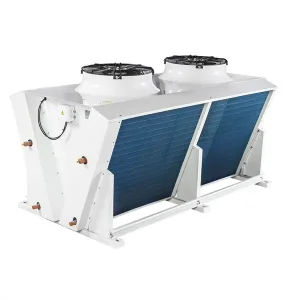
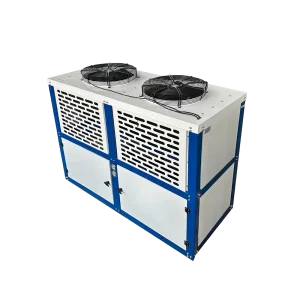
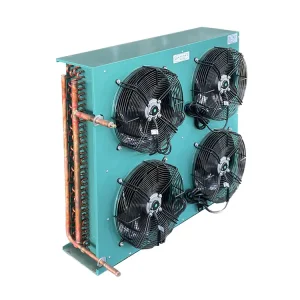
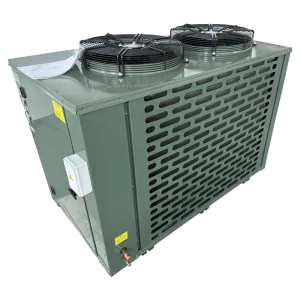
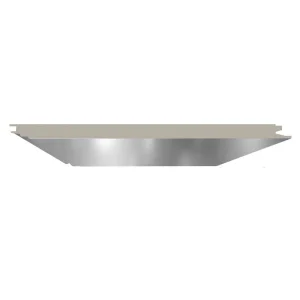
Shaanxi YuanShengHeTong Refrigeration Co., Ltd. is a professional factory and enterprise focusing on insulation panels and refrigeration equipment. Besides product manufacture, we also provide services like project design, construction, installation, as well as after-sales service.
We integrate "high quality products, one-stop project solution, engineering advanced services, and international trade" to provide customers with excellent products and satisfied services. Our involved professional fields include refrigeration of fruits, vegetables, food industry; also refrigeration of large supermarkets, restaurants, hotels, medical and logistics companies etc.
Our business in refrigeration fields started in 1996, with more than 20 years experience in refrigeration industry, we are confident in our professionality. Our factory is specializing in refrigeration manufacturing and technology.
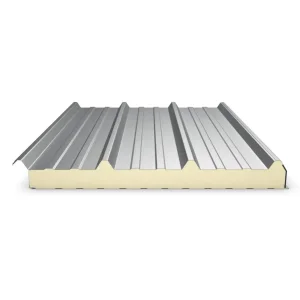
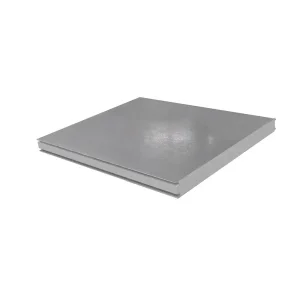
In the global market for OEM 50mm Sandwich Panels, "Weight" is not merely a physical attribute; it is a primary indicator of material density, structural load capacity, and thermal efficiency. For engineers and exporters, understanding the correlation between 50mm sandwich panel weight and its insulation properties is vital for large-scale cold storage and industrial warehouse construction.
Typically, a high-quality 50mm PIR (Polyisocyanurate) sandwich panel features a density of 40-42 kg/m³. When calculated with 0.5mm galvanized steel skins, the average weight of a 50mm sandwich panel is approximately 10.5 kg to 12.5 kg per square meter. This lightweight nature compared to traditional masonry allows for rapid installation and reduced foundation costs.
Avg. Weight (0.5mm Steel Skin)
Fire Resistance Rating
Thermal Conductivity (PIR)
Production Capacity
As we transition into 2024-2025, the demand for 50mm sandwich panels is evolving towards Sustainability and Carbon Neutrality. Global procurement trends show a shift from standard PUR (Polyurethane) to PIR cores due to superior fire safety and better weight-to-insulation ratios.
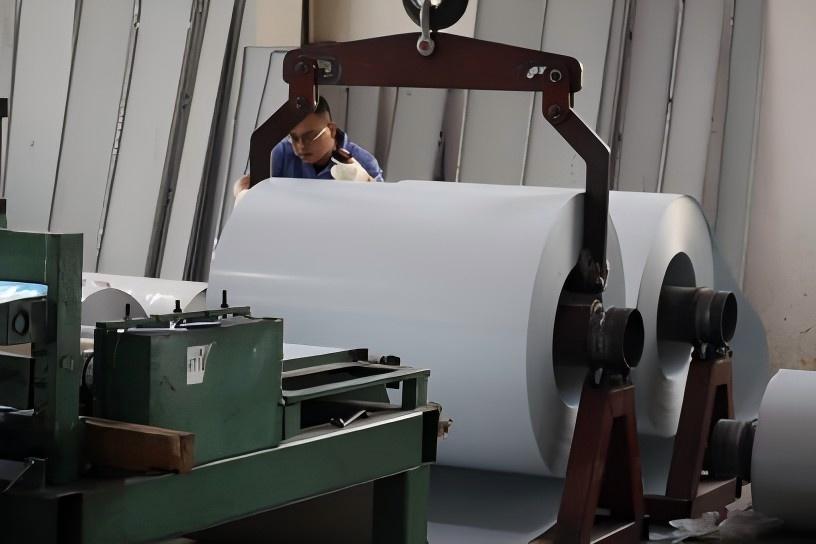
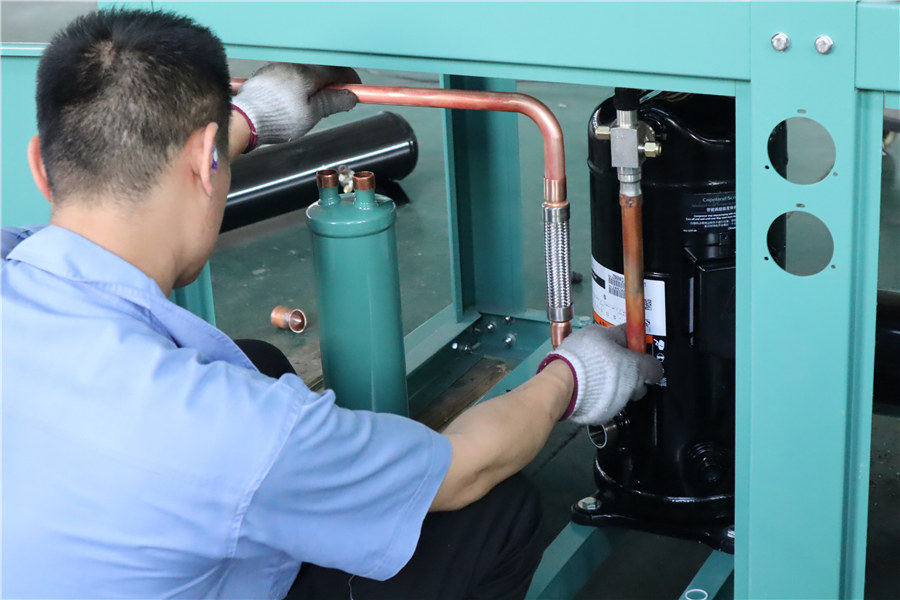
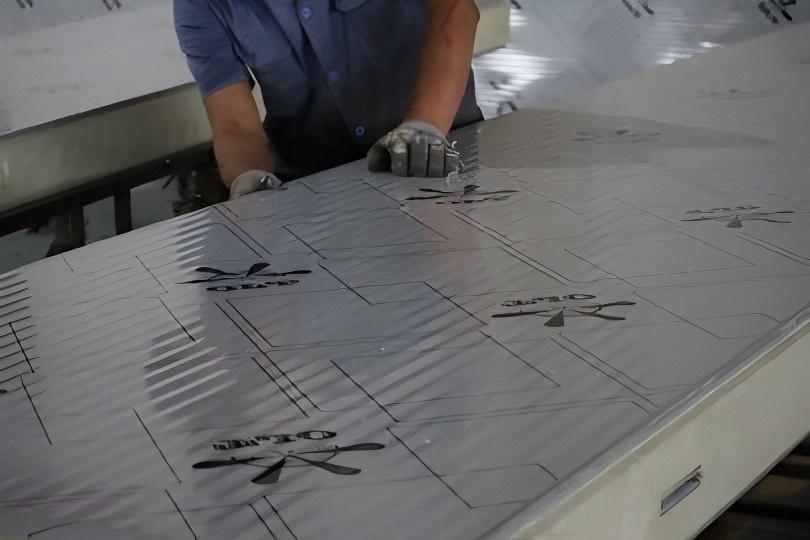
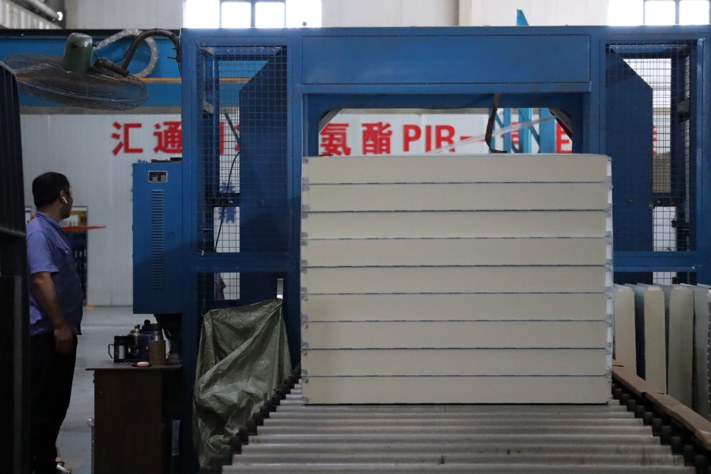
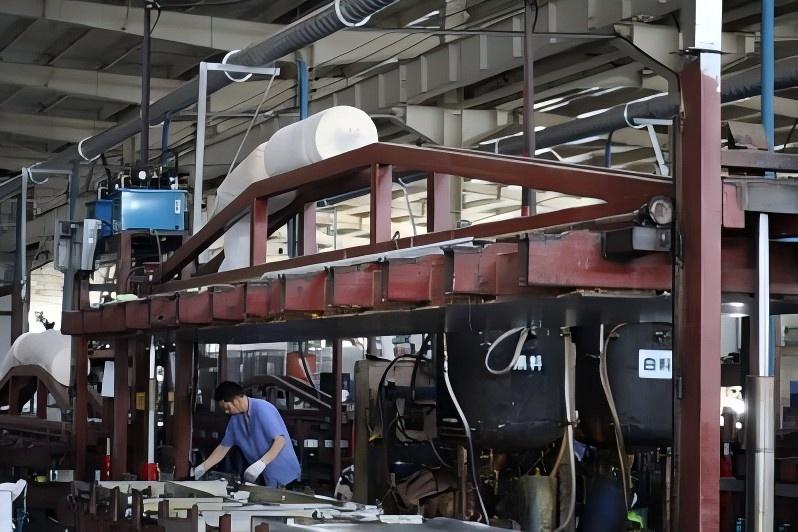
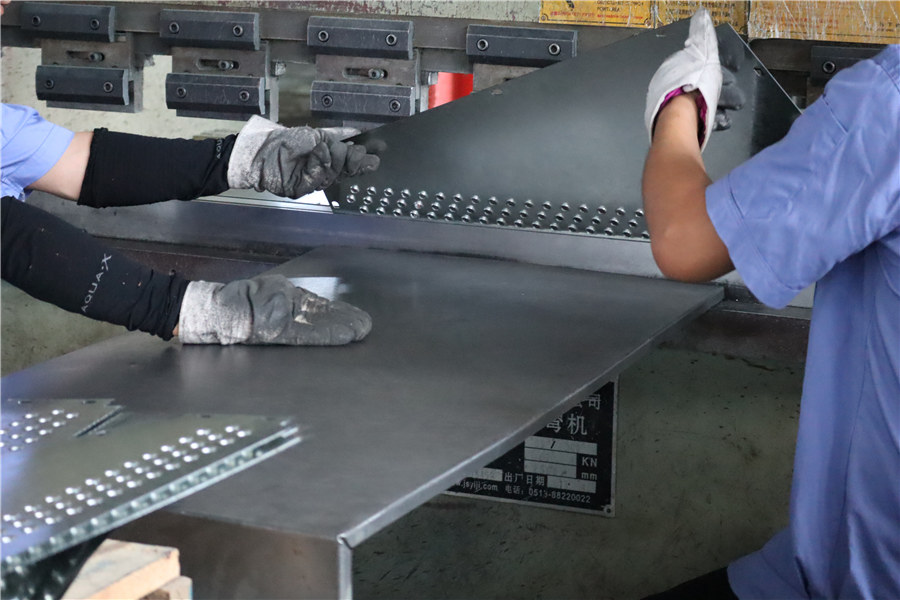
With about 180 workers and 10 QC team, the quality and efficiency are guaranteed of our products. Now, the factory has an existing production site of 60,000 square meters, 4 standardized workshops, and advanced production lines.
Our 50mm sandwich panels are engineered for a wide array of macro-solutions:
Looking forward, Shaanxi YuanShengHeTong is investing in AI-Optimized Panel Fabrication. By using automated precision injection, we ensure the core density is uniform across every square inch, eliminating "soft spots" that can affect both the weight and R-value of the panel. Our roadmap includes the development of Bio-based Polyols to further reduce the carbon footprint of our manufacturing process.
We understand that every region has unique building codes. Our panels are designed to meet:
Our founder started the business from refrigeration equipment marketing and installation.
With our first factory completed in Shaanxi, we produced our first cam-lock sandwich panels.
Shaanxi factory relocated to a larger field, now possessing 120 acres with 8 advanced workshops.
Input our first automatic split-joint production line. A new chapter in precision began.
With the responsibility of sustainability, we are now moving into an eco-friendly factory model.
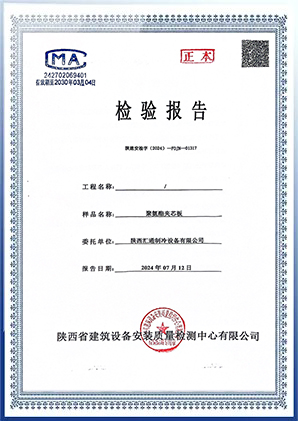
A standard 50mm panel with 0.5mm steel skins typically weighs between 11.2 kg/m² and 11.8 kg/m². This varies slightly based on the exact density of the foam core and the thickness of the coating on the steel sheets.
Since panels are relatively light but bulky, shipping is often calculated by volume. However, the weight is crucial for calculating the maximum stack height in a 40HQ container to avoid crushing the bottom panels during transit. Our OEM service optimizes panel weight to ensure maximum container utilization.
Yes. By adjusting the steel skin thickness (from 0.3mm to 0.8mm) or the core density (38kg/m³ to 45kg/m³), we can tailor the weight to meet your structural engineering requirements or budget constraints.
Absolutely. While 50mm is common for internal partitions in cold rooms, it is also widely used for exterior walls in moderate climates or for industrial buildings where extreme R-values are not the primary requirement.
 YuanShengHeTong