Explore our factory-direct products engineered for energy-efficient commercial and industrial applications.
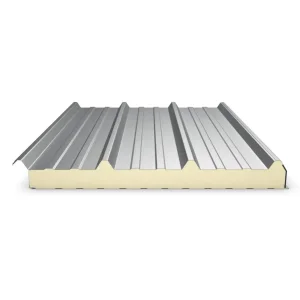
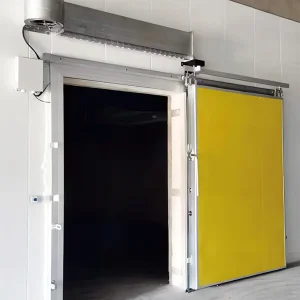
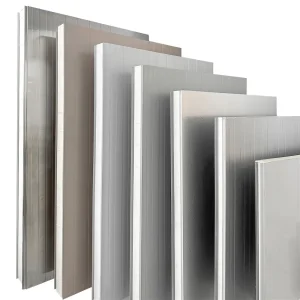
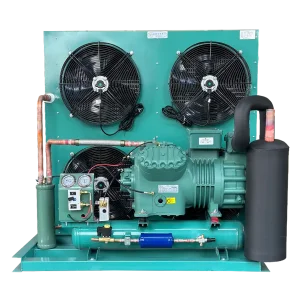
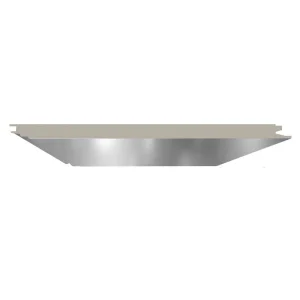
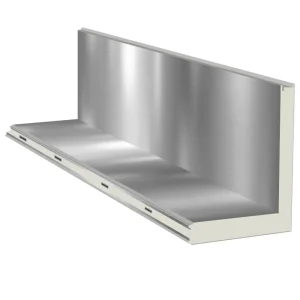
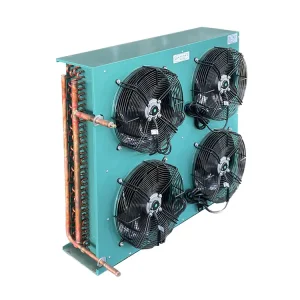
In the highly demanding landscape of modern logistics, food processing, and medical storage, maintaining structural integrity alongside absolute climate control is paramount. Thermally insulated envelopes, particularly those constructed with polyurethane (PUR), polyisocyanurate (PIR), and PVC-faced sandwich panels, represent the pinnacle of cost-effective, high-R-value envelope design.
As the international trade directives push for net-zero carbon footprints and stricter energy efficiency standardizations, conventional insulation mechanisms no longer satisfy thermal transmission limits. Industrial buyers, engineers, and facility planners are shifting their criteria from basic material thickness measurements to comprehensive performance specifications: *U-Value (Thermal Transmittance)*, *vapour permeability*, *compressive strength*, and *fire propagation resistance*.
Chinese manufacturing centers have pivoted heavily to accommodate this transition, utilizing continuous-lamination automated technology to export structural insulated panels (SIPs) that consistently exceed EU and ASTM performance thresholds.
Our engineering lead notes: "Insulation performance is a function of blowing agent stability, polymer cross-linking density, and precise cladding adhesion. At Shaanxi YuanShengHeTong, our core formulations achieve a closed-cell ratio exceeding 95%, guaranteeing a sustained Lambda (λ) value down to 0.020 W/(m·K) depending on the core blend. Selecting high-grade PUR or PIR cores with specialized PVC or PVDF steel cladding is critical for dampening corrosion risks in acidic, humid, or maritime installations."
Key Takeaway: The selection of sandwich panel core chemistry (PUR vs. PIR vs. Rockwool) should always align with local municipal fire ratings and exact operational temperature range requirements.
Shaanxi YuanShengHeTong Refrigeration Co., Ltd. is a professional factory and enterprise focusing on premium insulation panels and integrated refrigeration equipment systems. We offer custom engineering solutions tailored to complex structural needs, going far beyond standard manufacturing processes. Our capabilities span project diagnostics, thermodynamic load calculations, architectural drafting, mechanical installation, and long-term diagnostic after-sales support.
We successfully integrate high-quality core product fabrication with comprehensive, one-stop project systems. Our cold-chain systems are widely deployed in modern agriculture for the preservation of fruits and vegetables, the central distribution facilities of the food processing industry, high-throughput supermarket cooling zones, high-traffic restaurant facilities, and clinical medical distribution warehouses.
Leveraging our deep industry heritage since 1996, we bring over two decades of technical expertise and specialized application insights to the table. Our manufacturing centers are optimized for high-capacity runs, yielding extreme dimensional stability, high core cohesion, and precise interlocking joinery. Our commitment is simple: build reliable structural envelopes that reduce thermodynamic loss to the absolute minimum.
Understanding material properties is essential for selecting the correct insulation specification. The comparison table below highlights the physical attributes of our core composite products.
| Core Material Option | Nominal Density (kg/m³) | Thermal Conductivity (W/m·K) | Fire Classification (EN 13501-1) | Operating Temperature Range (°C) | Key Performance Strengths |
|---|---|---|---|---|---|
| PIR (Polyisocyanurate) | 40 - 42 | 0.020 - 0.022 | B-s1, d0 (Fire Retardant) | -200 to +120 | Excellent thermal efficiency, self-extinguishing properties, low smoke emission. |
| PUR (Polyurethane) | 38 - 40 | 0.022 - 0.024 | B2 / B3 Class | -150 to +100 | Exceptional compressive strength, high adhesion to metallic claddings. |
| PVC Laminated / Faced | 40 - 45 | 0.021 - 0.024 | Classified by core type | -50 to +80 | Highly hygienic, anti-microbial surface, corrosion resistant to acids and bases. |
| High-Density EPS Option | 18 - 25 | 0.033 - 0.038 | B1 / E Class | -50 to +75 | Lightweight, highly economical structural partition applications. |
Why leading global distributors and EPC firms select Shaanxi YuanShengHeTong for cold storage infrastructure.
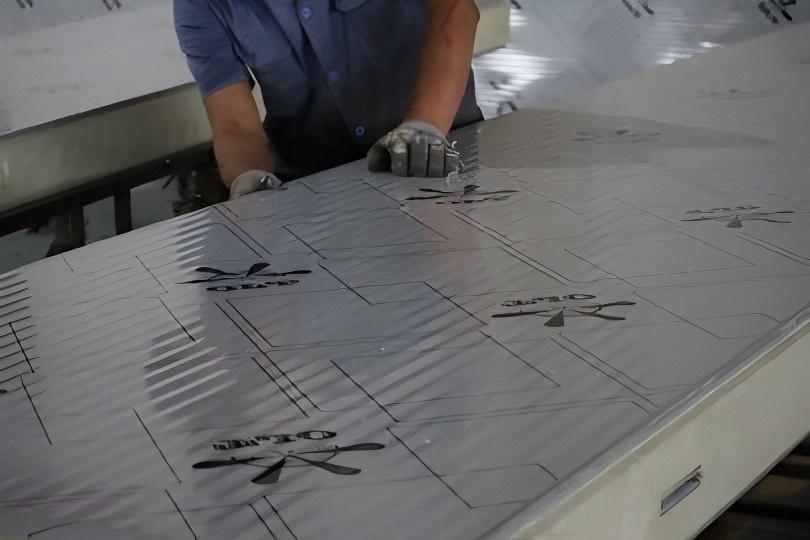
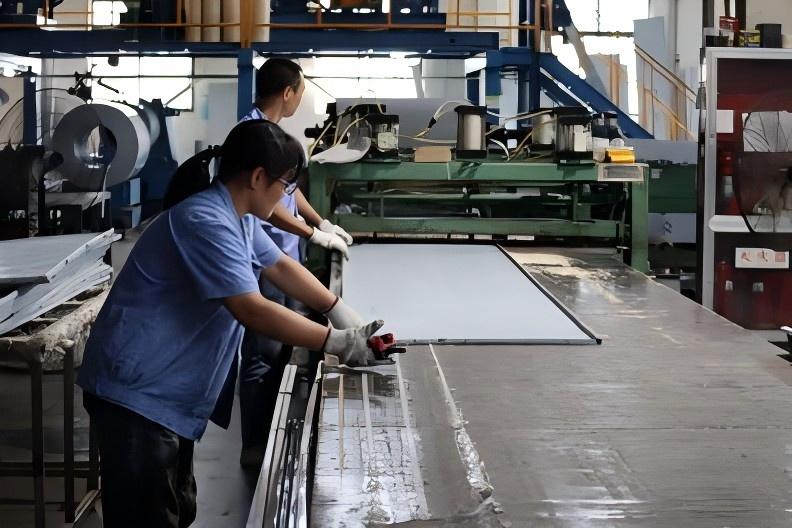
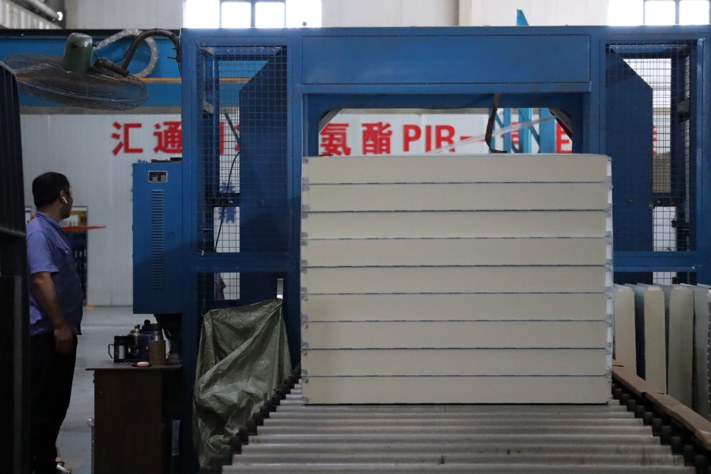
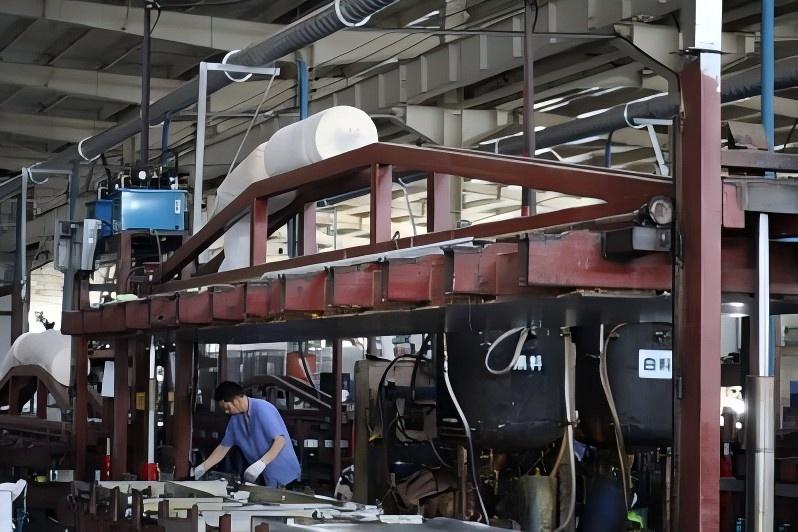
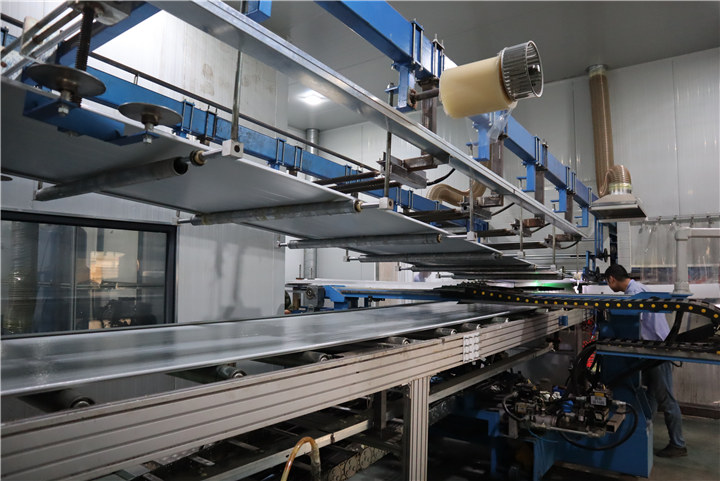
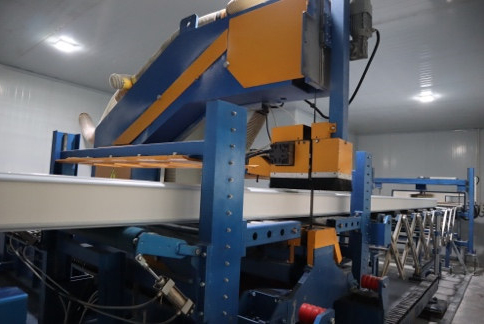
Our factory utilizes fully automated continuous split-joint production lines. This ensures uniform core cell distribution and precise control over density variables, preventing internal air pockets and surface warping.
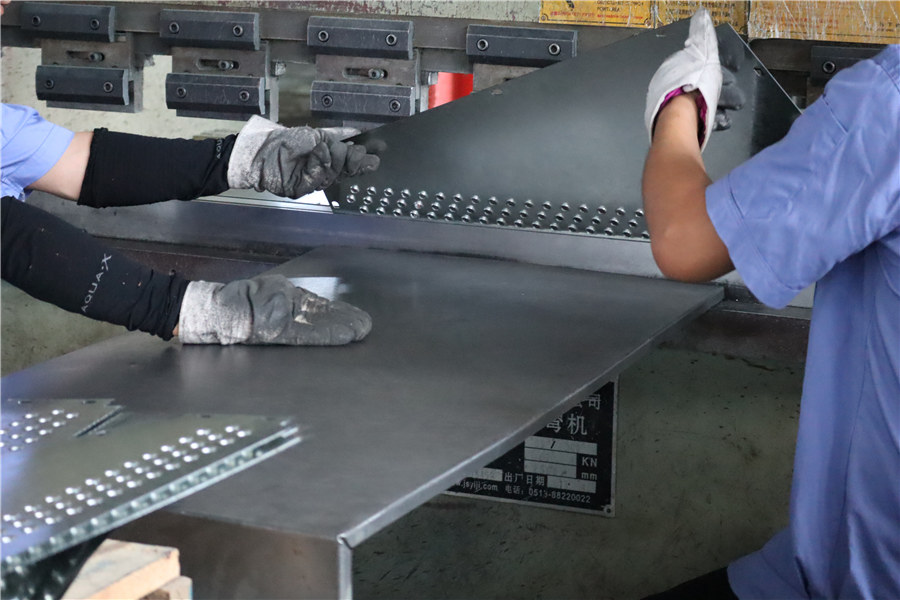
Backed by a dedicated 10-person Quality Control team, we check every batch for tensile strength, adhesive integrity, thermal resistance, and precise cam-lock alignment before packaging and dispatch.
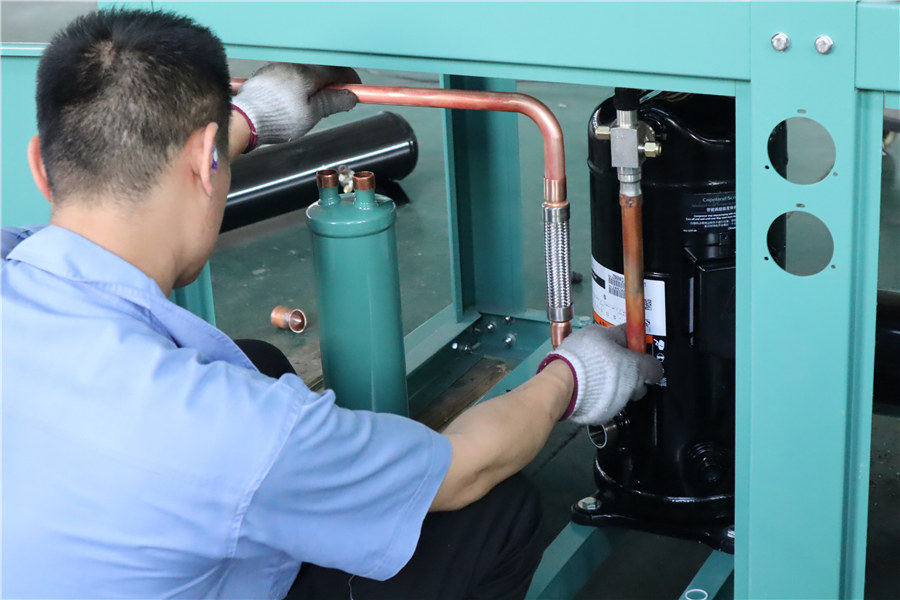
Unlike single-product suppliers, we manufacture insulated sandwich panels, heavy-duty cold storage doors, condensers, evaporators, and compressor packages. This guarantees complete compatibility across components.
Over 25 years of scaling production capacity, refining chemical formulations, and serving global construction markets.
Our founder launched the business focused on refrigeration equipment marketing, thermodynamic consulting, and initial installations.
Completed our first dedicated factory in Shaanxi, producing our first generation of cam-lock sandwich panels and polyurethane refrigeration panels.
Completed construction on our second factory in Lanzhou, expanding our footprint to cover the north-west Chinese industrial cold chain sector.
To support international trade demands, the Shaanxi factory relocated to a modern 120-acre facility, housing 8 advanced manufacturing workshops.
Commissioned our first high-capacity, automatic split-joint sandwich panel production line, significantly improving panel flatness and core uniformity.
Integrated our second automatic high-speed production line, boosting productivity while maintaining absolute micro-tolerance control.
Committed to sustainability by transitioning our manufacturing lines to use eco-friendly blowing agents with zero ozone depletion potential (ODP).
Spanning over 60,000 square meters of high-capacity production space, designed for structural precision.
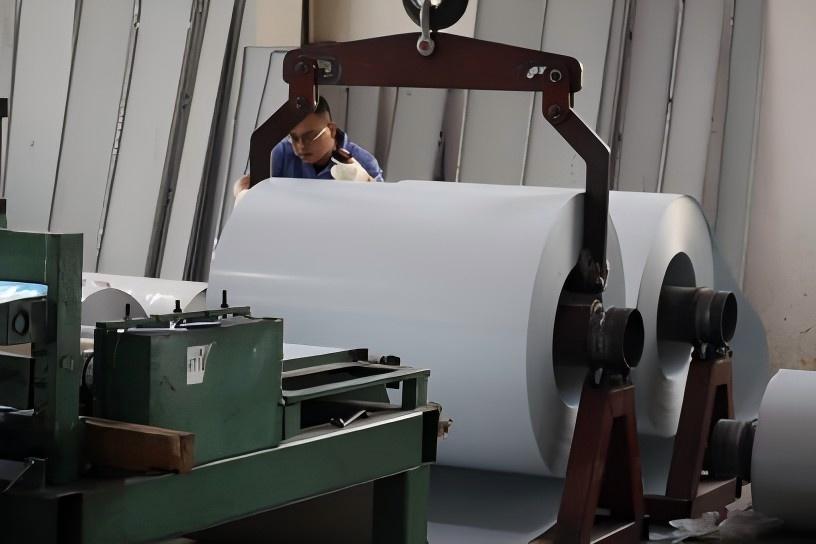
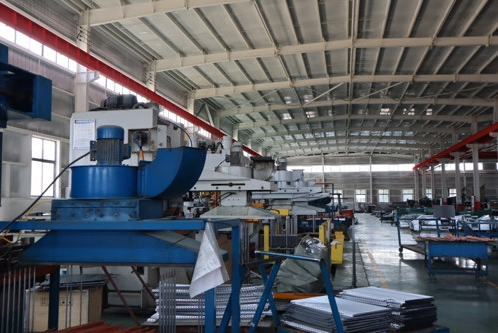
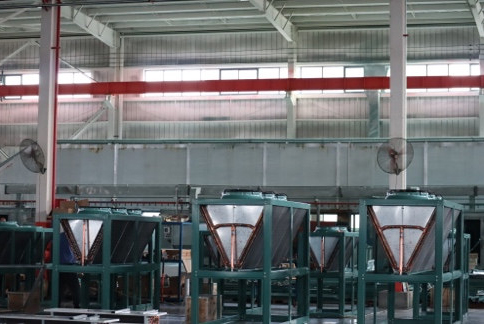
The global construction industry is moving away from traditional site-assembled insulation layers toward modular, precision-fitted panels. This transition is driven by three key factors:
Regulations such as the European F-Gas directive phase out traditional blowing agents. Advanced continuous lines now use Cyclopentane or advanced HFO systems to achieve green building certifications like BREEAM or LEED.
For applications such as seafood processing, cheese maturation chambers, and livestock housing, standard steel cladding degrades quickly. Factories now offer specialized PVC coatings, PET laminates, and high-build PVDF coatings to handle intense washdowns and chemical sanitizers.
FM-approved PIR cores are increasingly required by insurers. PIR panels create a carbonaceous char layer when exposed to flame, blocking fire spread through wall and roof cavities.
We provide full-scale refrigeration systems tailored for diverse thermal insulation projects:
Design of large blast freezers (-40°C) and holding rooms (-18°C) using custom cam-lock PIR panels. This includes custom structural suspension layouts for ceilings to prevent sagging across long spans.
Supply of flush-surface sandwich panels with tight joints, anti-microbial PVC finishes, and integrated conduits to prevent dust buildup and simplify chemical disinfection.
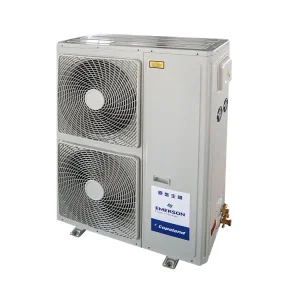
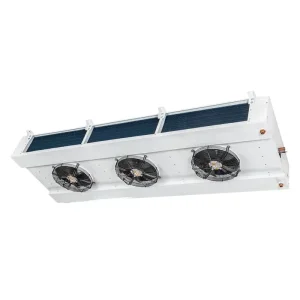
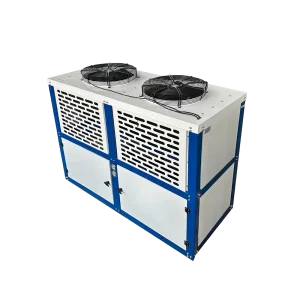
Scalable, modular panel setups featuring heavy-duty, reinforced cold storage sliding doors, air coolers, and matching condensing units designed to maintain temperatures during high-frequency loading cycles.
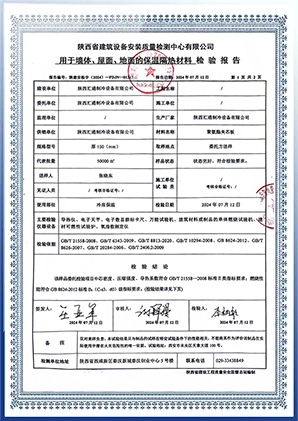
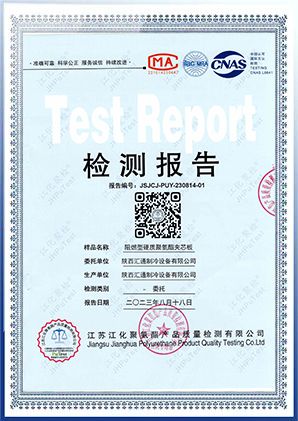
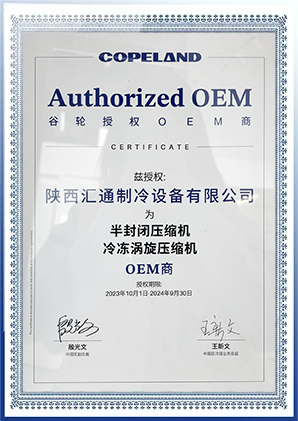
Our products are manufactured under strict quality standards and carry certifications for international compliance.
Sourcing sandwich panels from China requires a clear understanding of your project's technical specifications. A mistake in core chemistry or skin thickness can lead to premature failure in humid or marine environments.
Standard polyurethane (PUR) is ideal for walk-in cold rooms and general commercial refrigeration. However, for industrial facilities with strict fire codes, polyisocyanurate (PIR) is the preferred choice. It offers superior heat stability and char performance under load, helping to meet local building insurance requirements.
For spans exceeding 4 meters, use a steel skin thickness of at least 0.5 mm to prevent buckling. For highly corrosive food processing zones, cleanrooms, and chemical facilities, we recommend selecting PVC or PVDF-laminated skins. Standard PE paint coatings are best suited for dry, exterior envelope walls.
For modular structures, small cold rooms, and facilities that may require future layout changes, a cam-lock panel system is ideal. It uses eccentric steel locks embedded in the core to pull panels tight during installation. For large distribution warehouses, a continuous tongue-and-groove joint with silicone sealing is typically preferred for faster, more economical installation over long spans.
Professional Tip: Always ask your supplier for raw material test reports detailing steel grade (e.g., DX51D+Z) and foam core density distribution from middle to surface. This ensures consistent thermal performance across all panels.
Get expert answers to common technical, design, and purchasing questions about insulated panels and cold chain installations.
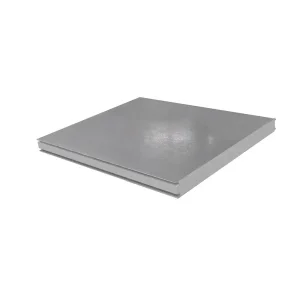
Explore our range of heavy-duty cold room equipment, condensing units, and specialized insulation panels.
 YuanShengHeTong