Home >
Hot Products >
CE Certification Sandwich Roof Panels with PIR/PUR Foam Core - Top China Suppliers and Factory for Insulation Solutions Factory, Factories
1 / 3
CE Certification Sandwich Roof Panels with PIR/PUR Foam Core - Top China Suppliers and Factory for Insulation Solutions Factory, Factories
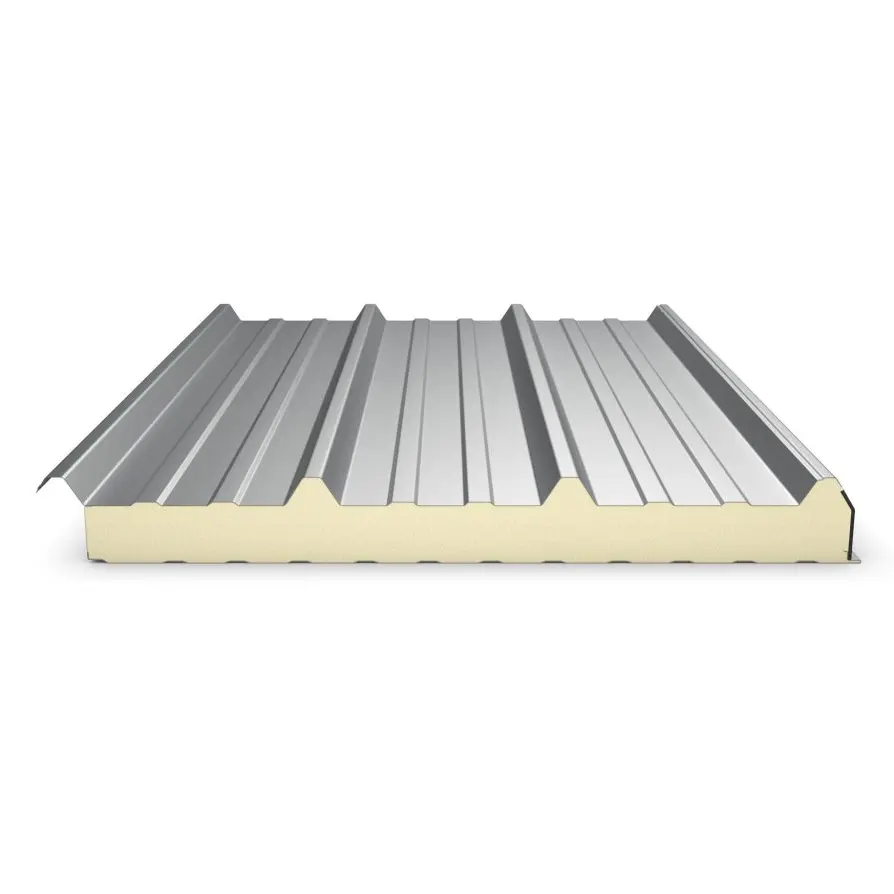
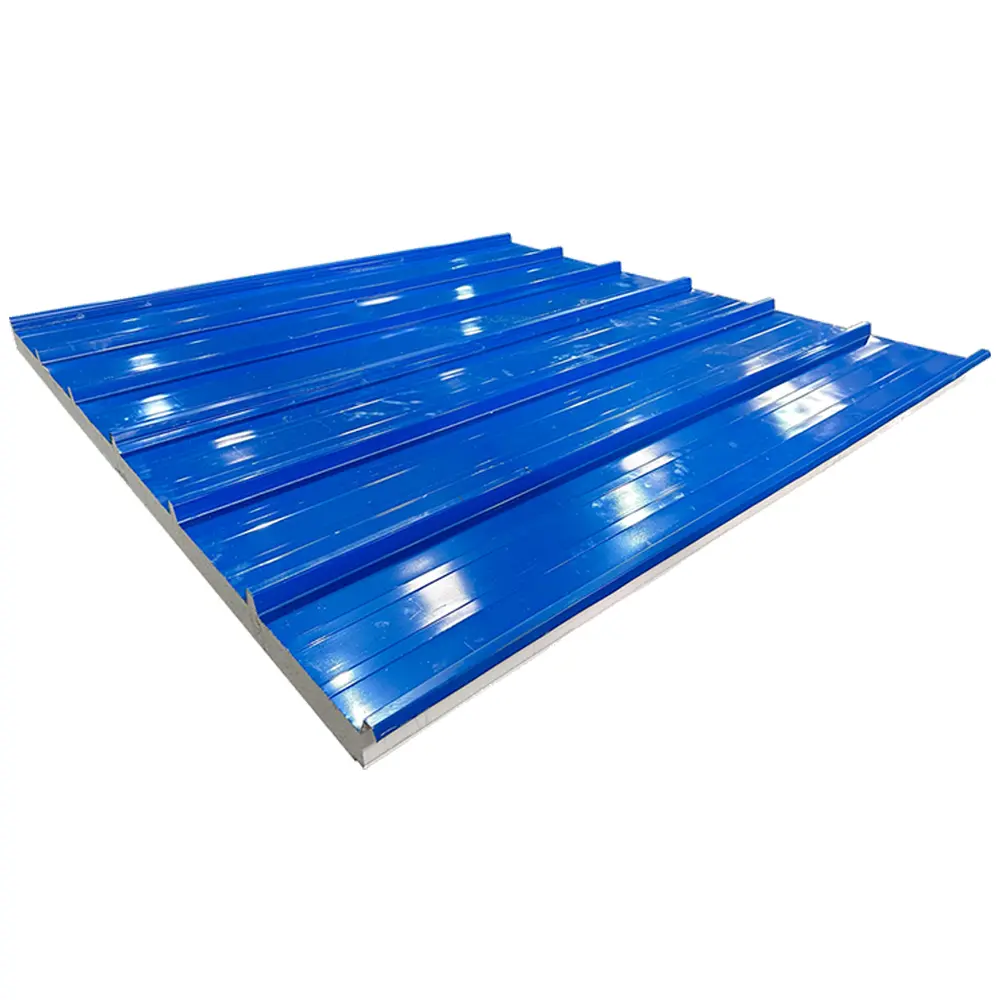
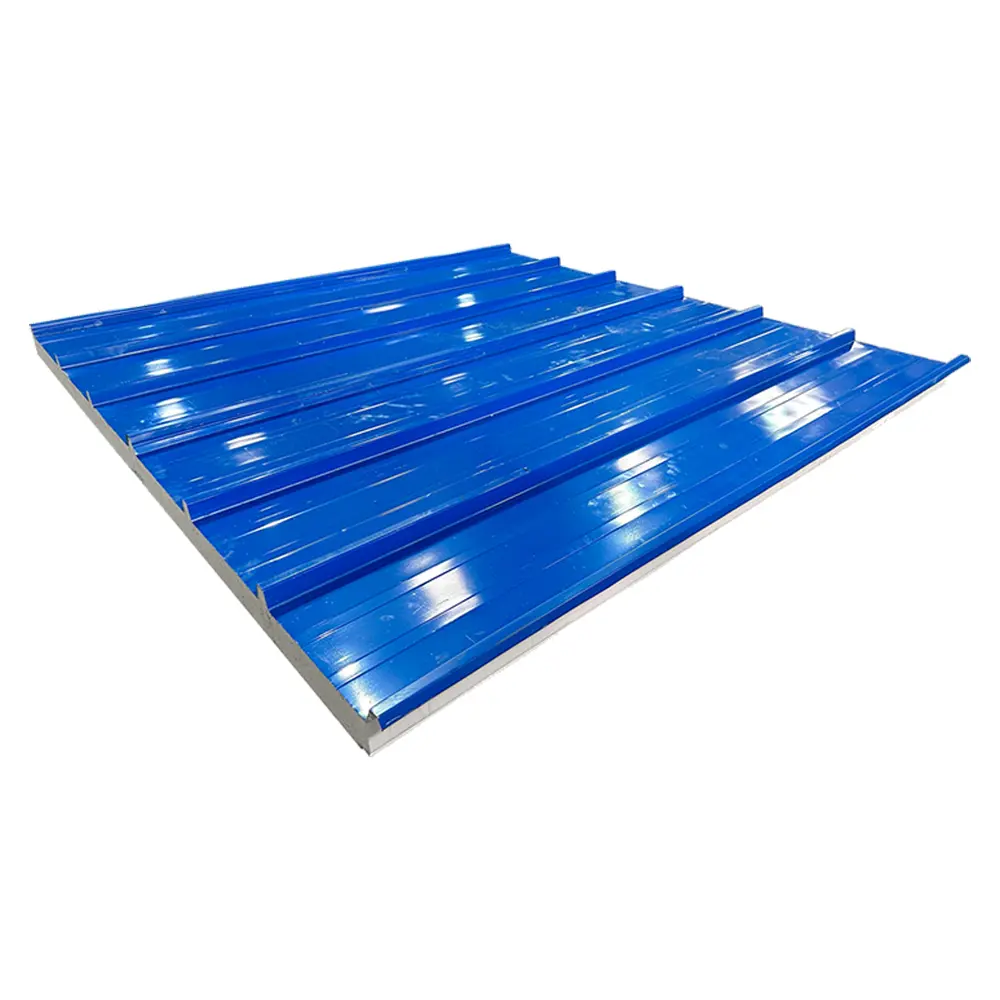
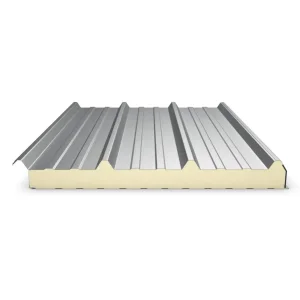
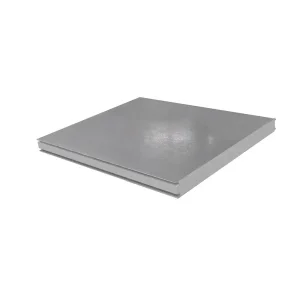
Sandwich roof panels have emerged as a premier choice in the construction industry, particularly for commercial and industrial buildings in China. These innovative roofing solutions are crafted to deliver exceptional insulation, robust structural integrity, and appealing aesthetics, making them suitable for a wide range of applications, Manufactured by top suppliers in China, our sandwich roof panels feature a core made of high-performance PIR (polyisocyanurate) or PUR (polyurethane) foam, sandwiched between two durable outer layers, typically crafted from galvanized steel or aluminum. Available in various thicknesses from 30mm to 200mm, these panels cater to specific insulation needs and conform to local building regulations, As a leading factory in China, we ensure that our sandwich roof panels meet the highest quality standards, providing an efficient and reliable option for your roofing projects
PIR or PUR Sandwich Roof Panels are cutting-edge solutions for modern construction, offering high thermal insulation, lightweight structure, and moisture resistance. Designed for durability and energy efficiency, these panels are ideal for industrial, commercial, and agricultural buildings, as well as specialized cold storage facilities. Their versatility and ease of installation make them a preferred choice for sustainable building projects.
Product Details
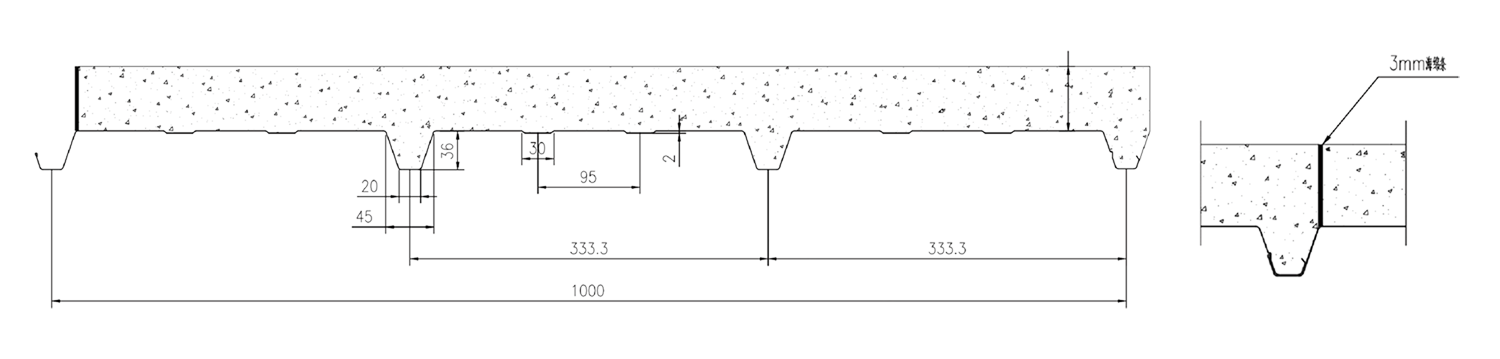
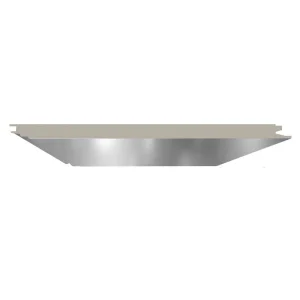
Our panels feature a advanced three-wave crest design with a height of 36mm, significantly improving drainage and load-bearing capacity. This design allows for a roof slope as low as 3%, effectively reducing overall construction costs while maintaining superior thermal performance. The exposed nail system offers flexibility with adjustable fixing spaces from 250mm to 1000mm.
TECHNICAL PARAMETERS OF ROOF SANDWICH PANEL
Thickness (mm)
Width (mm)
Length (m)
Core
Density (Kg/m³)
Fire Resistance
Weight (Kg/m²)
Heat Transfer [m²·K]
Surface (mm)
Material
100
1000
1 – 18
PIR / PUR
43±2 / 40±2
B1 / B2
12.5 / 11.8
≤0.022 / ≤0.024
0.3 – 0.8
Customized
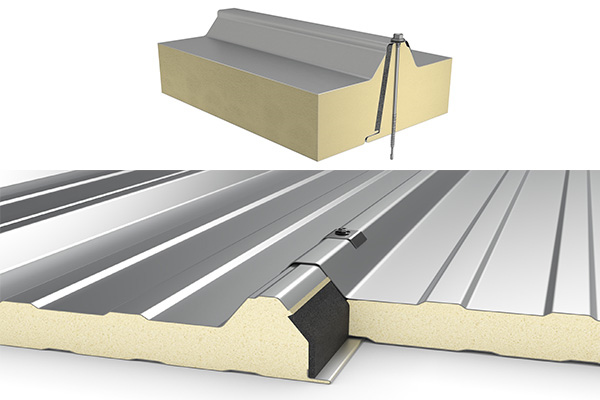
The Joint Design
The exposed nail design with split joints ensures structural integrity across various building types. This cost-effective system minimizes maintenance while maximizing installation speed for warehouses and manufacturing plants.
Surface Materials & Customization
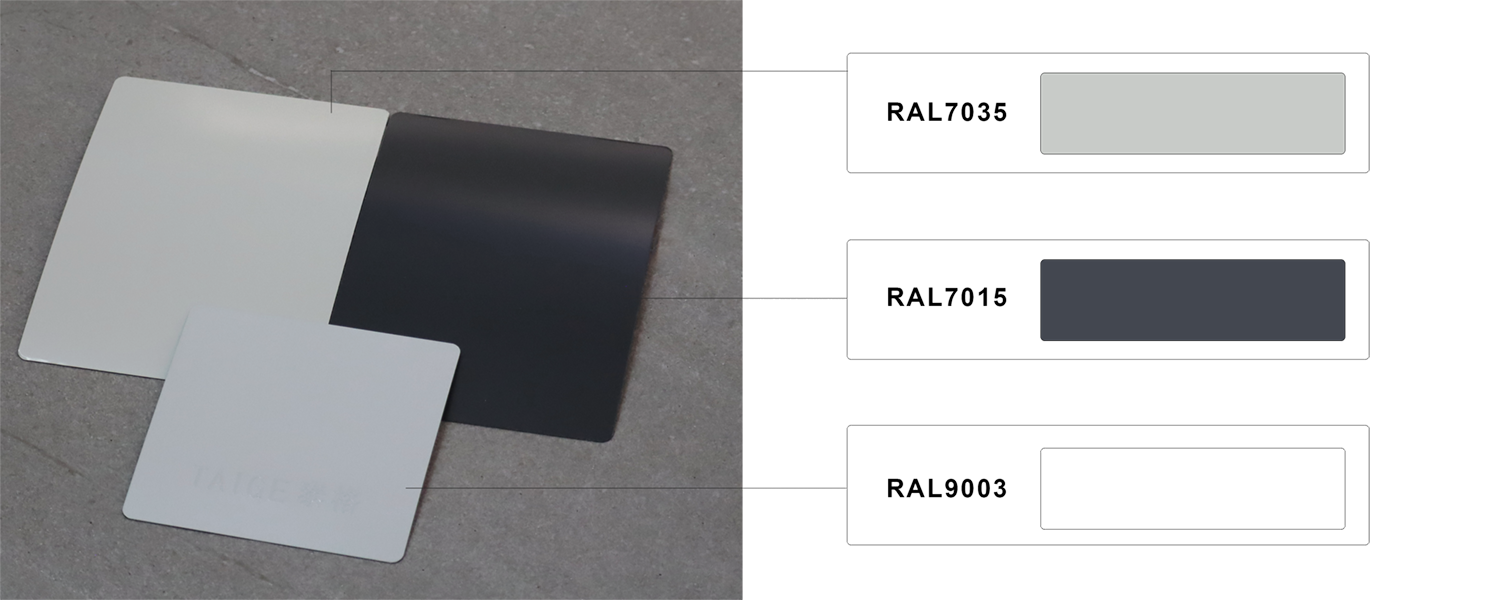
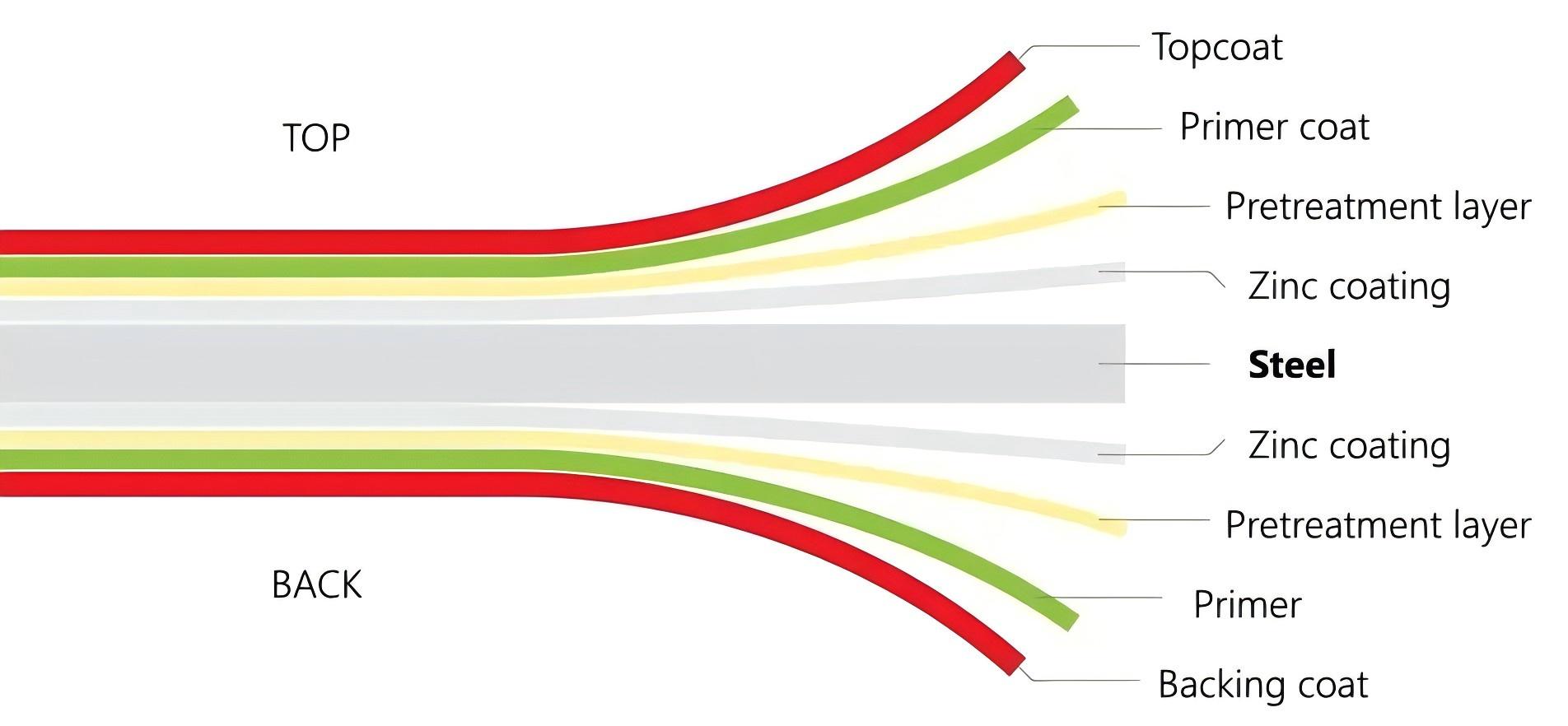
PPGI (Pre-painted Galvanized Iron)
PPGI provides excellent corrosion resistance through its galvanized steel base and decorative paint layer. It is lightweight, eco-friendly, and available in numerous finishes.
Typical Color Chart for PPGI
Specialty Materials
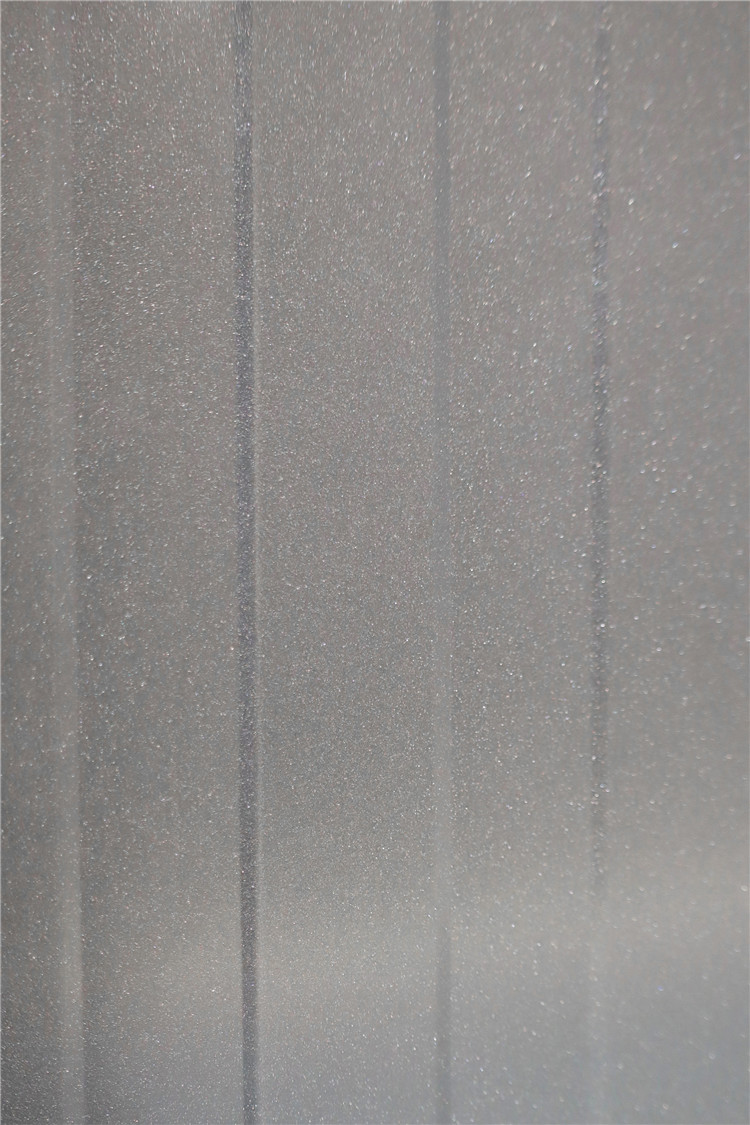
Ti-Mg-Zn-Al Alloy
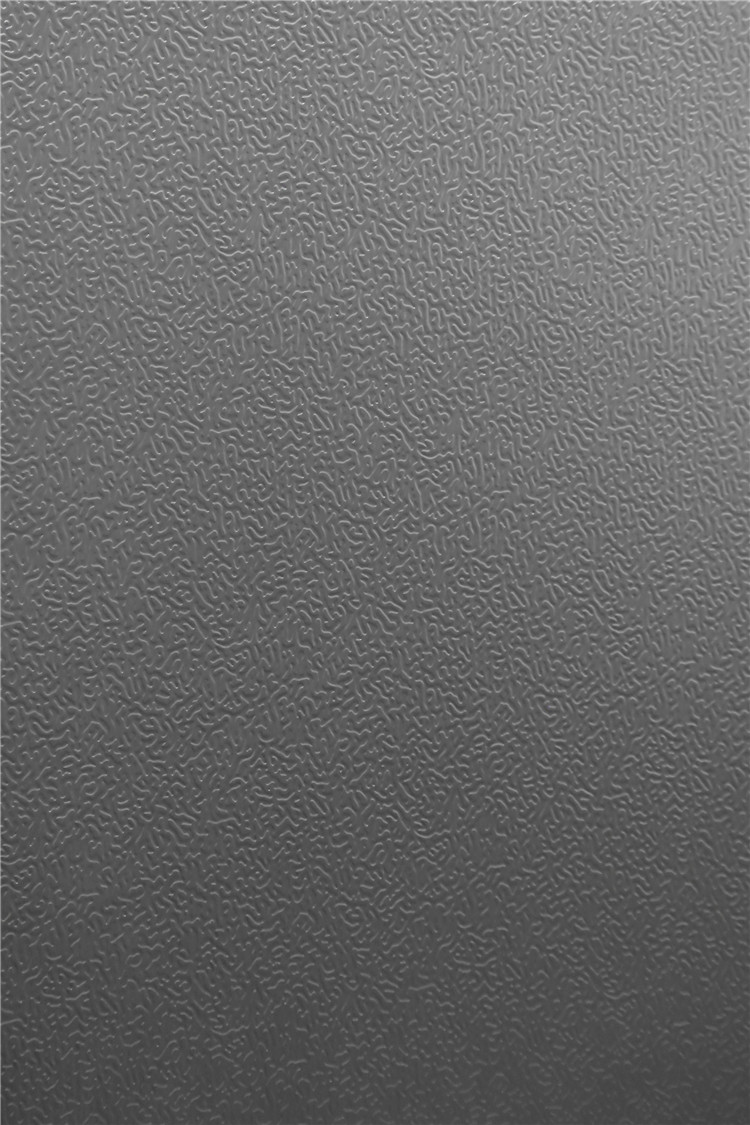
Embossed Aluminum
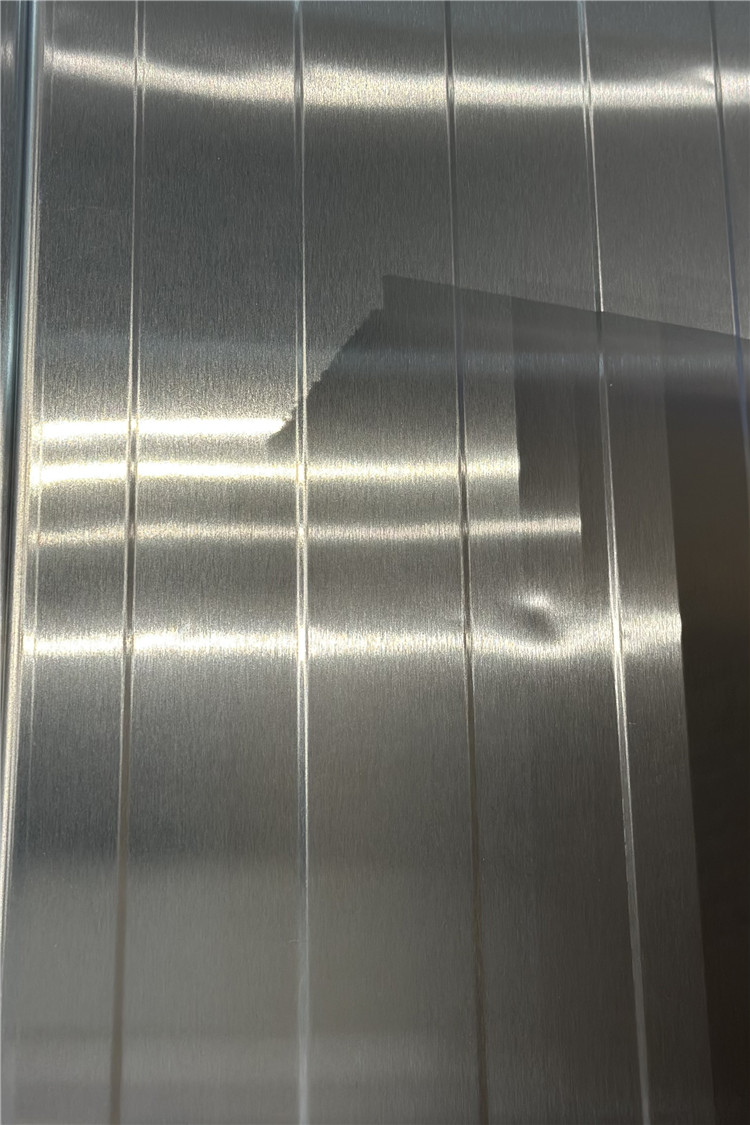
Stainless Steel (SUS304)
Advanced Protective Coatings
1. PVDF Coating
Exceptional resistance to UV radiation and chemicals. Retains color vibrancy for decades in outdoor architectural projects.
2. HDP Coating
High-Durability Polyester offers superior scratch resistance, perfect for high-traffic industrial environments.
3. EP Coating
Epoxy Polyester provides excellent adhesion and moisture resistance, ideal for chemical-prone indoor settings.
Core Advantages
High Thermal Insulation: Low thermal conductivity (0.022–0.025 W/m·K) ensures maximum energy efficiency.
Lightweight Construction: Simplifies handling and reduces the total structural load on buildings.
Moisture Resistance: Closed-cell foam structure prevents water absorption and mold growth.
Proven Durability: Resistant to UV, chemicals, and physical impacts for a long service life.
PIR/PUR sandwich roofing panels represent the cornerstone of contemporary roofing. By prioritizing heat resistance and durability, businesses can optimize operating costs and minimize environmental impact while maintaining building integrity.
Frequently Asked Questions
Q What is the difference between PIR and PUR panels?
PIR (Polyisocyanurate) offers higher fire resistance (B1) and slightly better thermal performance compared to PUR (Polyurethane, B2). Choice usually depends on local fire safety regulations and budget.
Q What is the minimum roof slope allowed?
Due to our unique three-wave crest design (36mm height), these panels can be installed on roofs with a slope as low as 3% while ensuring effective drainage.
Q Can the surface color be customized?
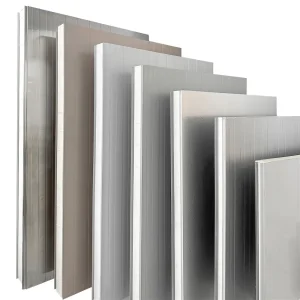
Yes, we provide a wide range of colors for PPGI surfaces, as well as different materials like Stainless Steel, Embossed Aluminum, and various specialty alloys.
Q What panel lengths are available for transport?
We can produce panels in lengths ranging from 1 meter up to 18 meters, depending on your specific project requirements and transport capabilities.
Q Which building types benefit most from these panels?
They are ideal for industrial warehouses, cold storage facilities, agricultural buildings, and any commercial structure where thermal control and durability are priorities.
Q How is the installation managed?
The panels use an exposed nail design with a split joint system. Fixing spaces are adjustable (250mm-1000mm), allowing for flexible and fast installation by local contractors.
 YuanShengHeTong