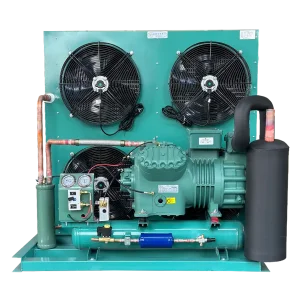
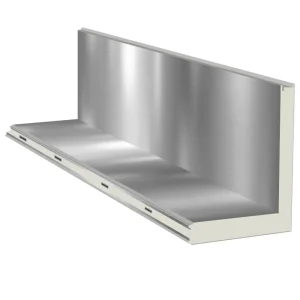
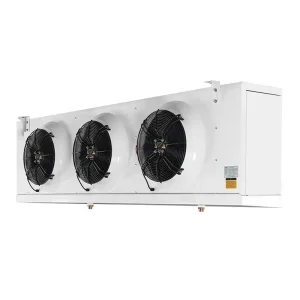
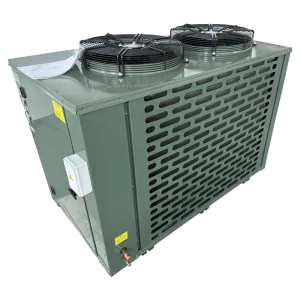
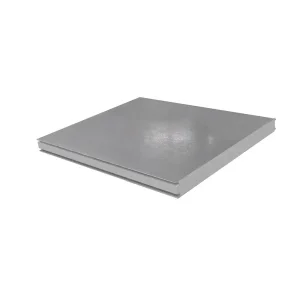
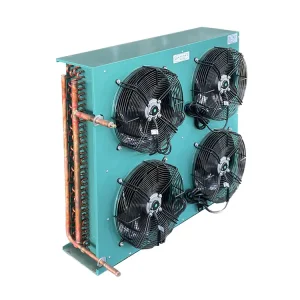
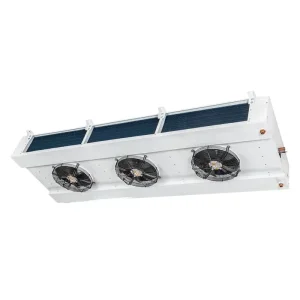
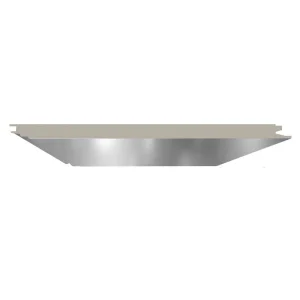
Explore our leading range of energy-efficient condensing units, water-defrosting evaporators, and insulated sandwich panels designed for cold storage systems.
Delivering high-quality refrigeration systems and advanced sandwich panels since 1996.
An in-depth structural overview of current demands, material evolution, and macroeconomic factors shaping cold-chain development.
The global industrial construction sector is undergoing a rapid transition toward energy-efficient, rapid-assembly structures. Within this architectural shift, insulated sandwich roof panels have emerged as the standard structural element for logistics networks, temperature-controlled facilities, food-processing units, and clean rooms. Driven by the expansion of the global cold-chain industry and carbon emission constraints, sandwich roofs are no longer evaluated merely as exterior barriers. They are engineered envelopes designed to regulate ambient parameters, withstand wind loads, and minimize structural heat transfer.
According to international industrial infrastructure market assessments, the demand for insulated building envelopes is growing at an annual rate of over 6.5%. Manufacturers in China are at the forefront of this market, utilizing economies of scale, integrated supply chains, and advanced foaming processes. By leveraging automated continuous production lines, Chinese factories produce panels featuring optimized structural joints, high density, and superior dimensional stability.
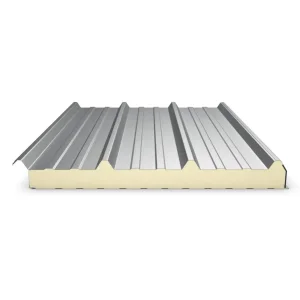
Selecting the appropriate core insulation material is critical for balancing project parameters, structural loads, thermal resistance (R-value), and regulatory fire safety compliance. The table below details the performance characteristics of standard Polyurethane (PU/PUR) and Polyisocyanurate (PIR) cores manufactured under factory-controlled settings.
| Performance Indicator | Polyurethane (PU / PUR) Core | Polyisocyanurate (PIR) Core | Structural Engineering Significance |
|---|---|---|---|
| Thermal Conductivity (λ) | 0.020 - 0.024 W/m·K | 0.018 - 0.022 W/m·K | Lower values translate to superior insulation and reduced HVAC operational costs. |
| Fire Behavior Rating | B2 Class (Self-extinguishing) | B1 Class (Highly flame retardant) | PIR carbonizes under flame to delay propagation, crucial for insurance compliance. |
| Compressive Strength | ≥ 120 kPa | ≥ 150 kPa | Ensures load resistance against snow accumulation, maintenance foot traffic, and PV installations. |
| Closed Cell Structure | ≥ 92% | ≥ 95% | Prevents moisture absorption and vapor migration within cold room configurations. |
| Dimensional Stability | ≤ 1.5% at extreme temps | ≤ 1.0% at extreme temps | Prevents thermal warping and joint separation under seasonal variations. |
Modern PIR cores feature advanced cross-linked isocyanurate ring structures. When exposed to heat, this structure forms a stable carbonaceous layer that insulates the core and limits oxygen flow, slowing flame spread. For industrial roofing systems, particularly those housing sensitive electronics, pharmaceutical stocks, or high-value agricultural produce, PIR sandwich roofs provide reliable safety and performance.
A leading factory and enterprise focusing on premium insulation panels, cold storage doors, and industrial cooling solutions.
Shaanxi YuanShengHeTong Refrigeration Equipment Co., Ltd. is a professional factory and enterprise focusing on insulation panels and refrigeration equipment. Besides product manufacture, we also provide comprehensive services including professional project design, structural construction, system installation, and dedicated after-sales service.
We integrate "high quality products, one-stop project solution, engineering advanced services, and international trade" to provide customers with excellent products and satisfied services. Our involved professional fields include refrigeration of fruits, vegetables, food industry; also refrigeration of large supermarkets, restaurants, hotels, medical and logistics companies etc.
With about 180 workers and 10 QC team, the quality and efficiency are guaranteed of our products. And we are always aiming for higher quality products and better service.
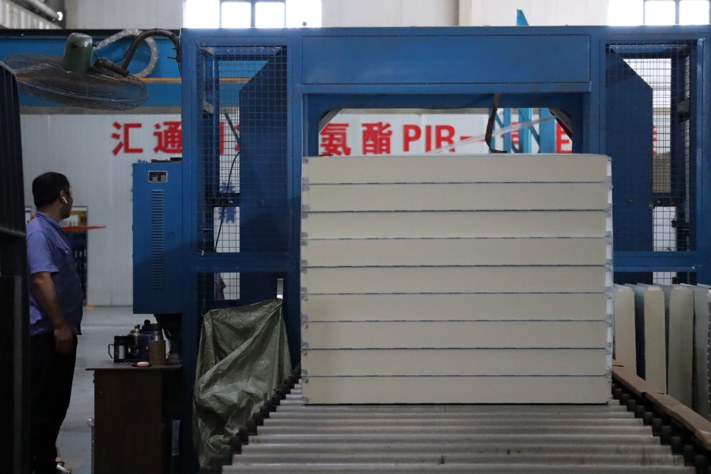
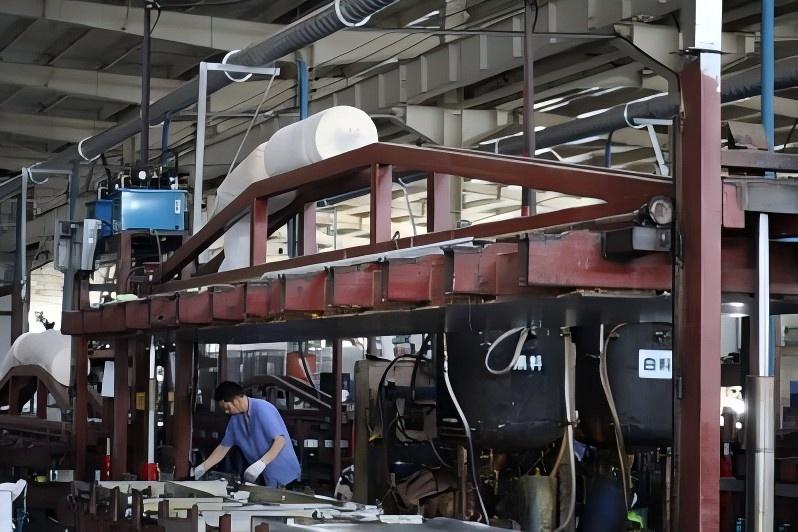
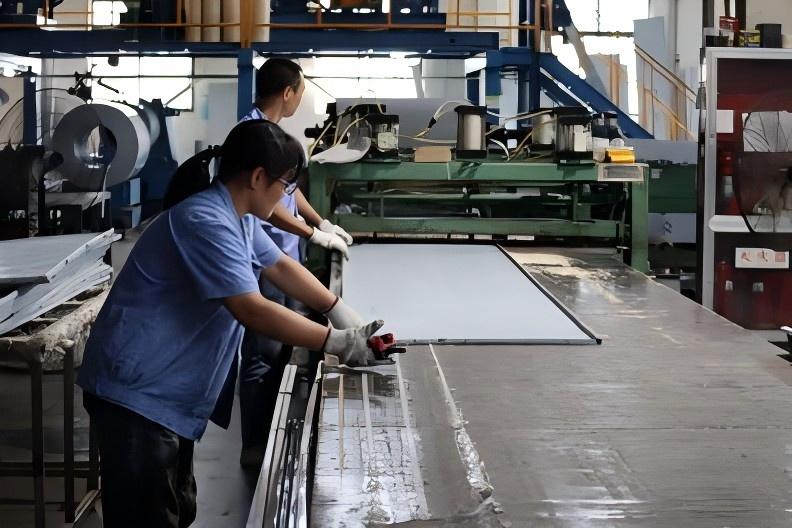
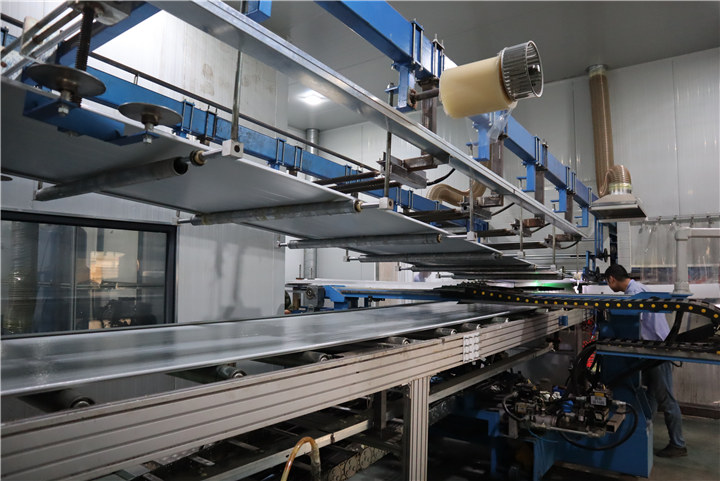
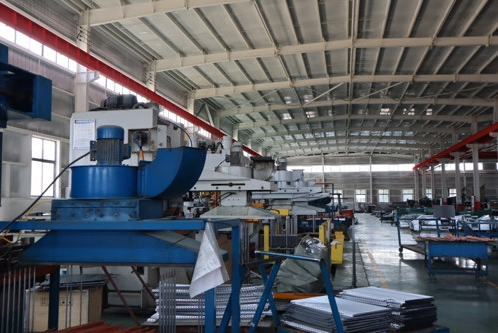
Now, the factory has an existing production site of 60,000 square meters, 4 standardized workshops, high quality and efficient production equipment, as well as advanced production lines and techniques. Our factory mainly produces PIR (Polyisocyanurate) and PU (Polyurethane) sandwich panels, cold storage doors, air coolers, condensers, condensing units, compressor units etc. Our business in refrigeration fields started in 1996, with more than 20 years experience in refrigeration industry, we are confident in our professionality.
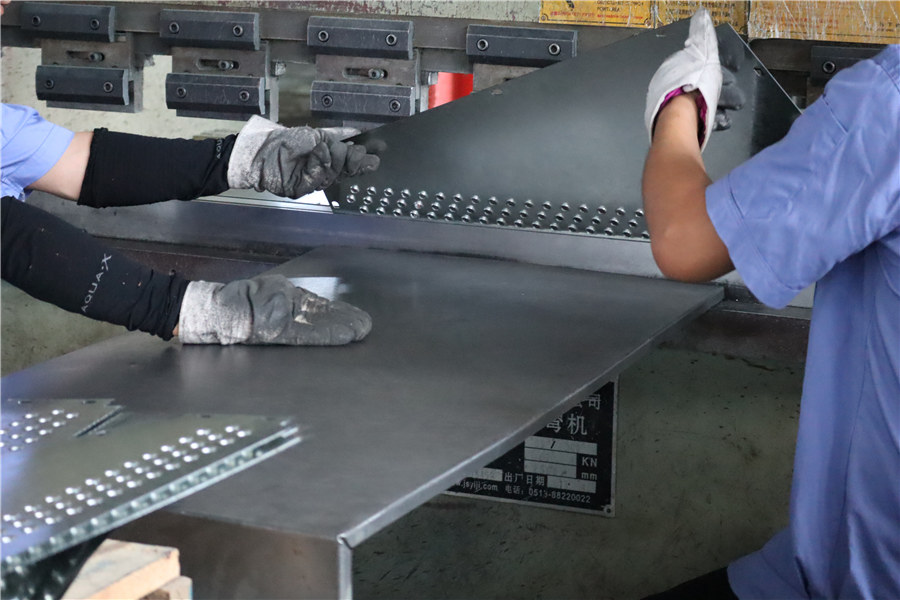
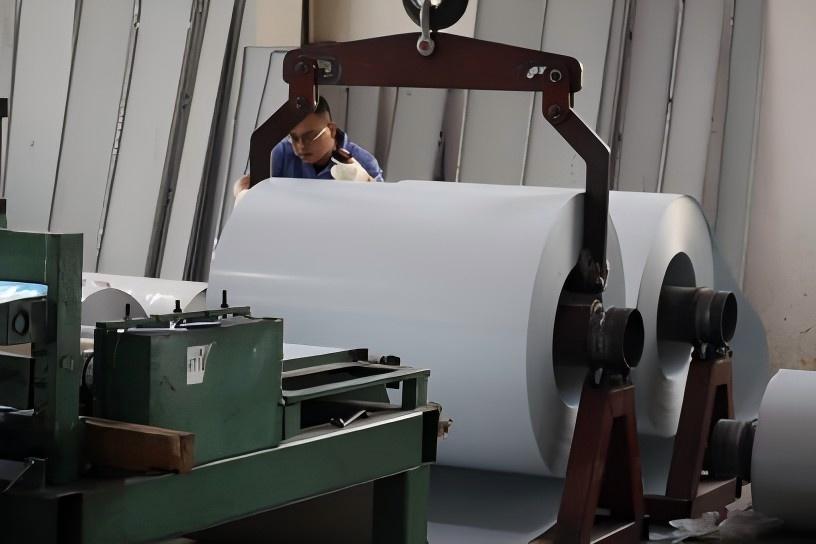
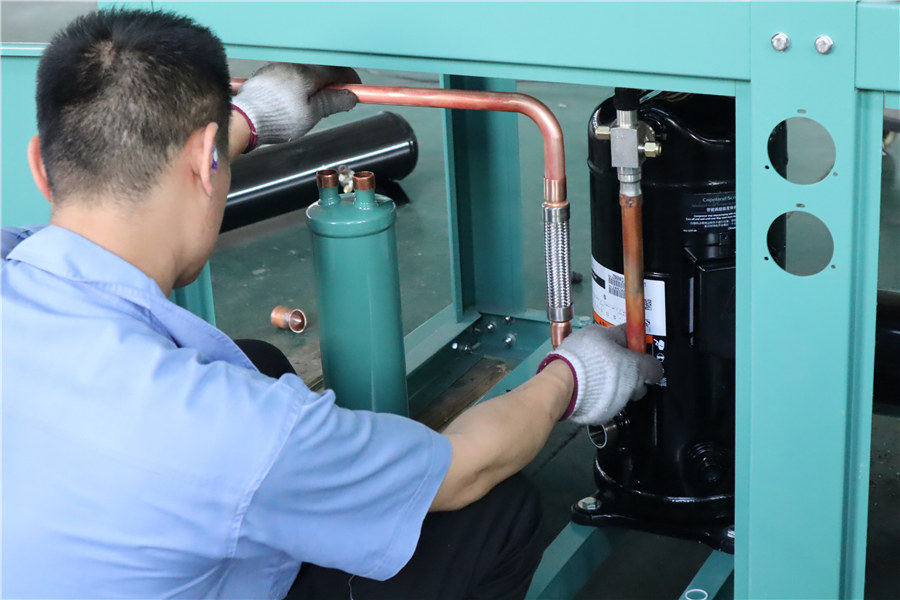
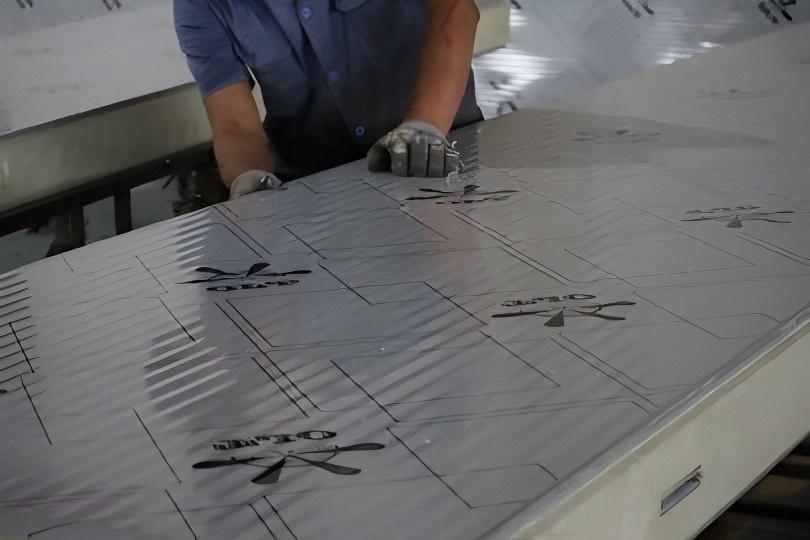
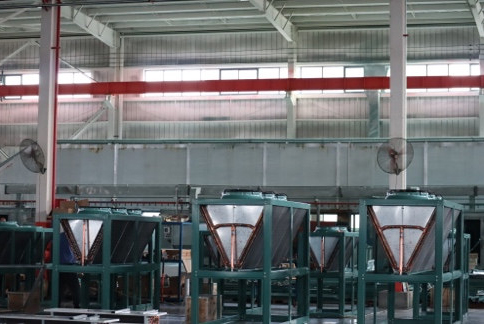
Combining structural panels with high-efficiency cooling assemblies for modern cold storage applications.
Large cold-chain distribution terminals handle thousands of tons of perishable inventory daily. The structural envelope of these facilities requires continuous, high-performance thermal insulation. Our PIR/PUR sandwich panels feature precise cam-lock joints, minimizing thermal bridging and maintaining stable interior conditions.
Industrial complexes prioritize sustainable building solutions. By using low-impact blowing agents (such as Pentane) and high-density cores, our factory-engineered sandwich panels assist projects in meeting international green building standards (LEED, BREEAM).
Optimal thermal performance is achieved when insulation panels work together with energy-efficient refrigeration machinery. Shaanxi YuanShengHeTong integrates structural envelopes with matching condensing units, evaporators, and control panels for a unified system approach.
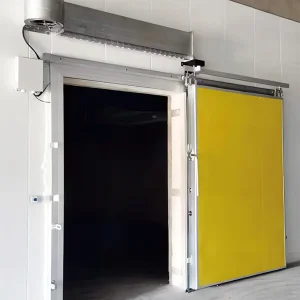
For cold-chain facilities, standard solutions can lead to thermal bridging at panel intersections, resulting in structural condensation and increased energy use. Our modular panel joint system creates an airtight fit. When combined with our water-defrosting evaporators and multi-fan condensing units, it ensures minimal cooling loss and steady temperature maintenance.
Our research and development pipeline focuses on three primary industrial objectives:
A timeline of growth, technology adoption, and expansion across global market networks.
Our founder started the business from refrigeration equipment marketing and installation, laying the foundation for our expertise.
With our first factory completed in Shaanxi, we produced our first cam-lock sandwich panels to serve the expanding domestic cold-storage sector.
The second factory in LanZhou was completed, expanding our sales, logistics, and service footprint to cover the whole North-West market in China.
Following larger business and international demand, the Shaanxi factory relocated to a larger site, encompassing 120 acres with 8 advanced workshops.
We introduced our first automatic split-joint production line to integrate advanced technology into our insulation panel manufacturing process.
Our second automatic production line went on stream, reaching higher productivity, efficiency, and quality consistency.
With a commitment to sustainability, we updated our facilities to transition into an eco-friendly manufacturing factory.
Our products comply with international standards, ensuring reliability and structural integrity in global industrial markets.
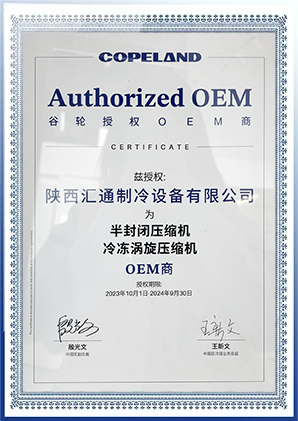
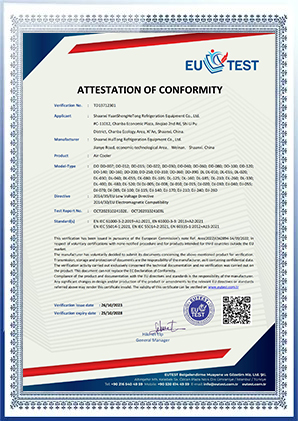
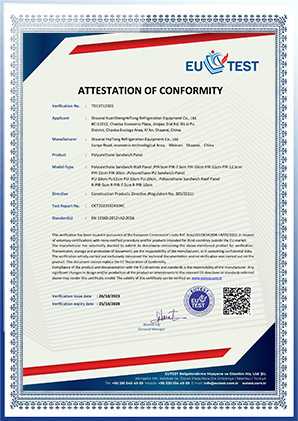
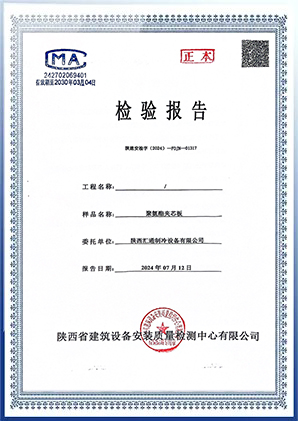
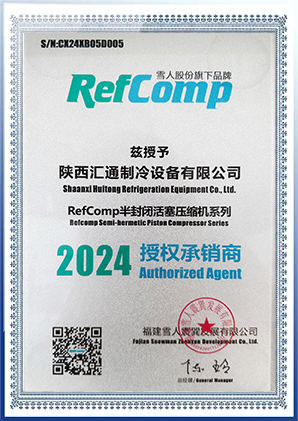
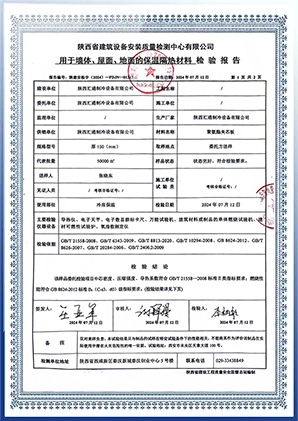
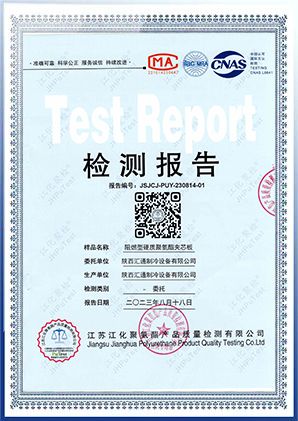
Insights into sandwich panel engineering, cold storage design, and structural planning.
Under standard conditions with proper installation and joint sealing, PIR sandwich roof panels typically last 25 to 30 years. Lifespan is supported by protective topcoats on the metal sheets (e.g., PVDF, HDP, or Plastisol) that resist corrosion, chemical exposure, and UV degradation. Regular structural inspections of the panel joints help maintain long-term performance.
Panel thickness is calculated based on the target temperature difference between the interior and exterior environments, ambient humidity, and energy efficiency targets. For standard cold rooms (0°C to 4°C), a 100mm thickness is common. For deep-freeze storage (-18°C to -25°C), 150mm is typical, while blast freezers (-35°C or lower) require 200mm to prevent heat ingress and reduce the load on the refrigeration system.
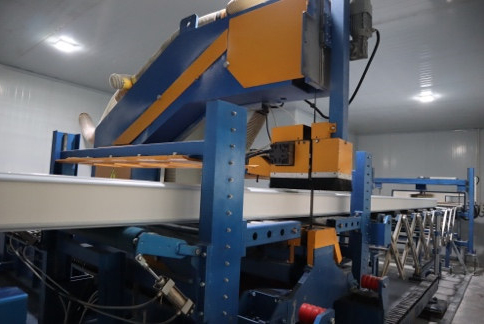
Continuous production lines ensure uniform core density, flat surfaces, and consistent bonding between metal facings and the core insulation. This process minimizes air pockets and density variations, producing sandwich panels with reliable thermal values and high structural strength.
Water defrosting evaporators use water to melt ice and frost buildup on the coil fins, which is faster and uses less energy than electric element defrosting. This process helps maintain consistent airflow and cooling performance in low-temperature cold rooms.
Complete your facility planning with certified insulation panels, heavy-duty cooling units, and structural door assemblies.
 YuanShengHeTong