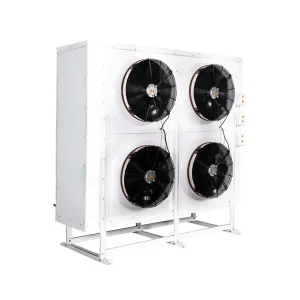
Products Description
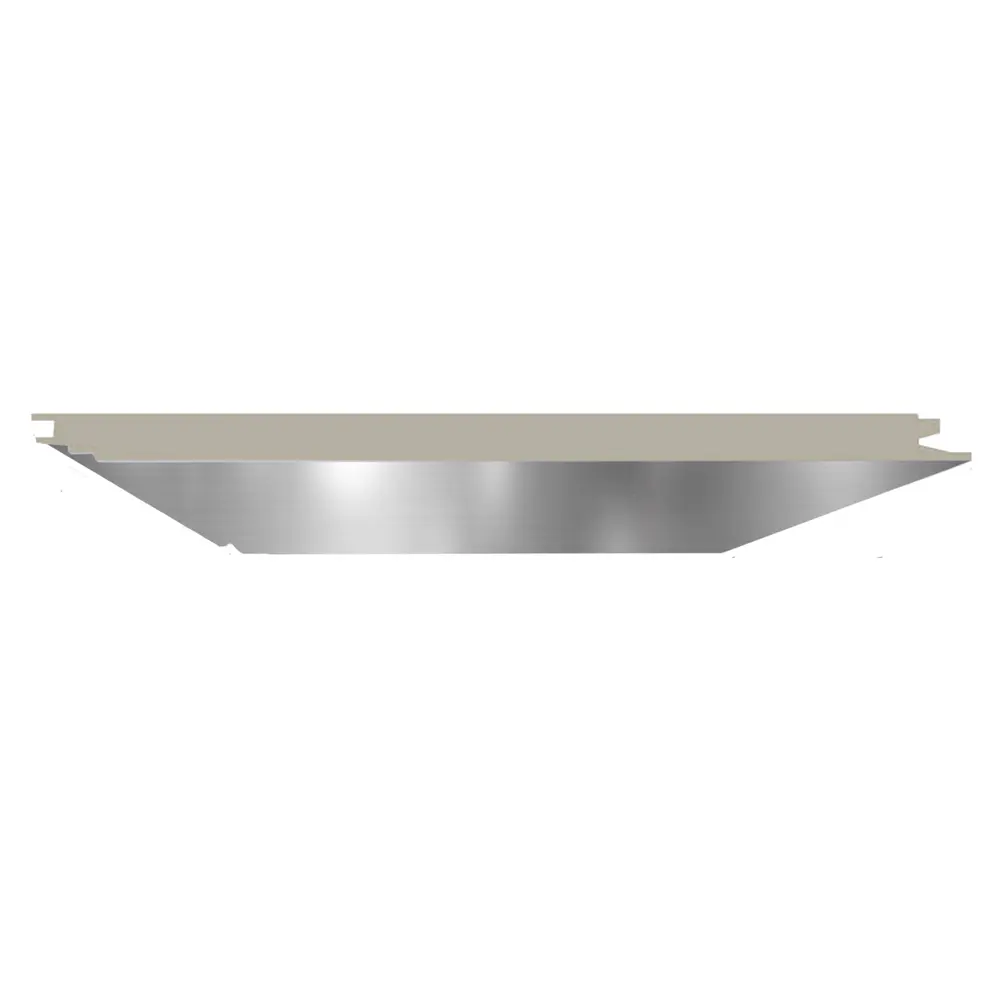
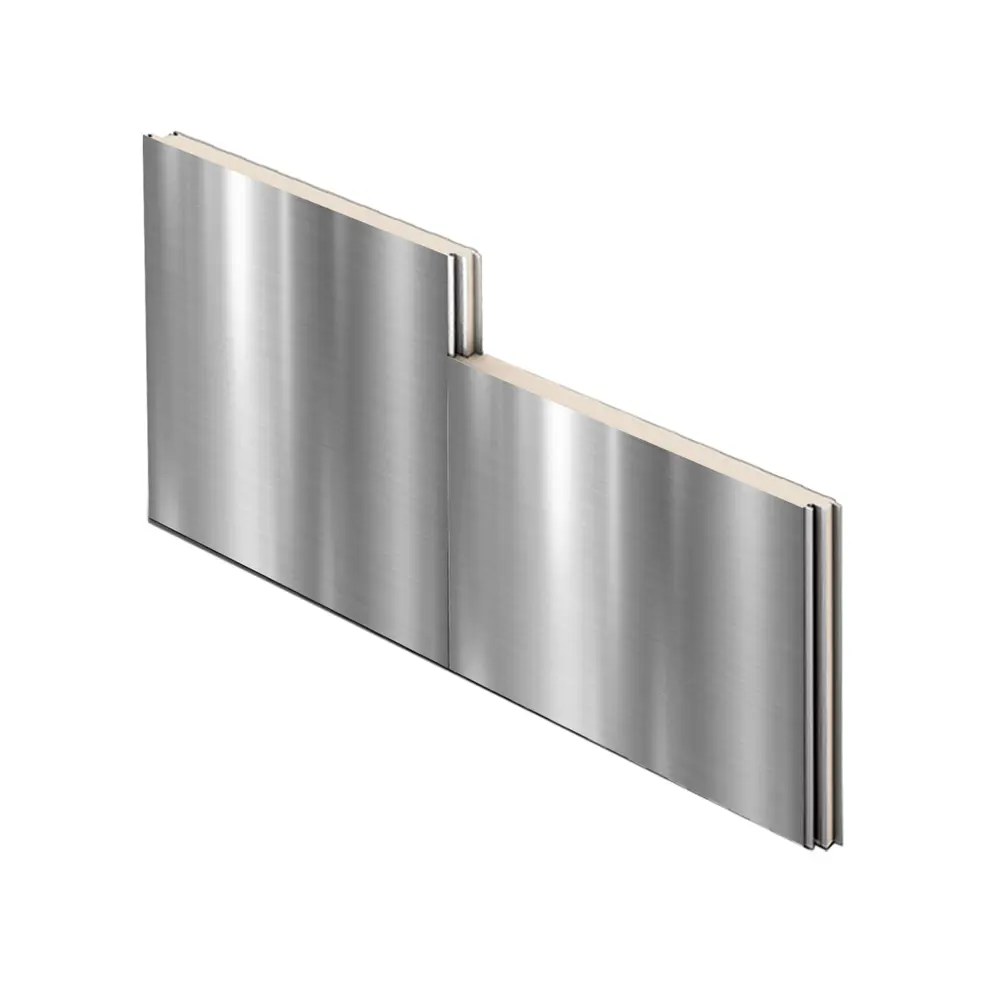
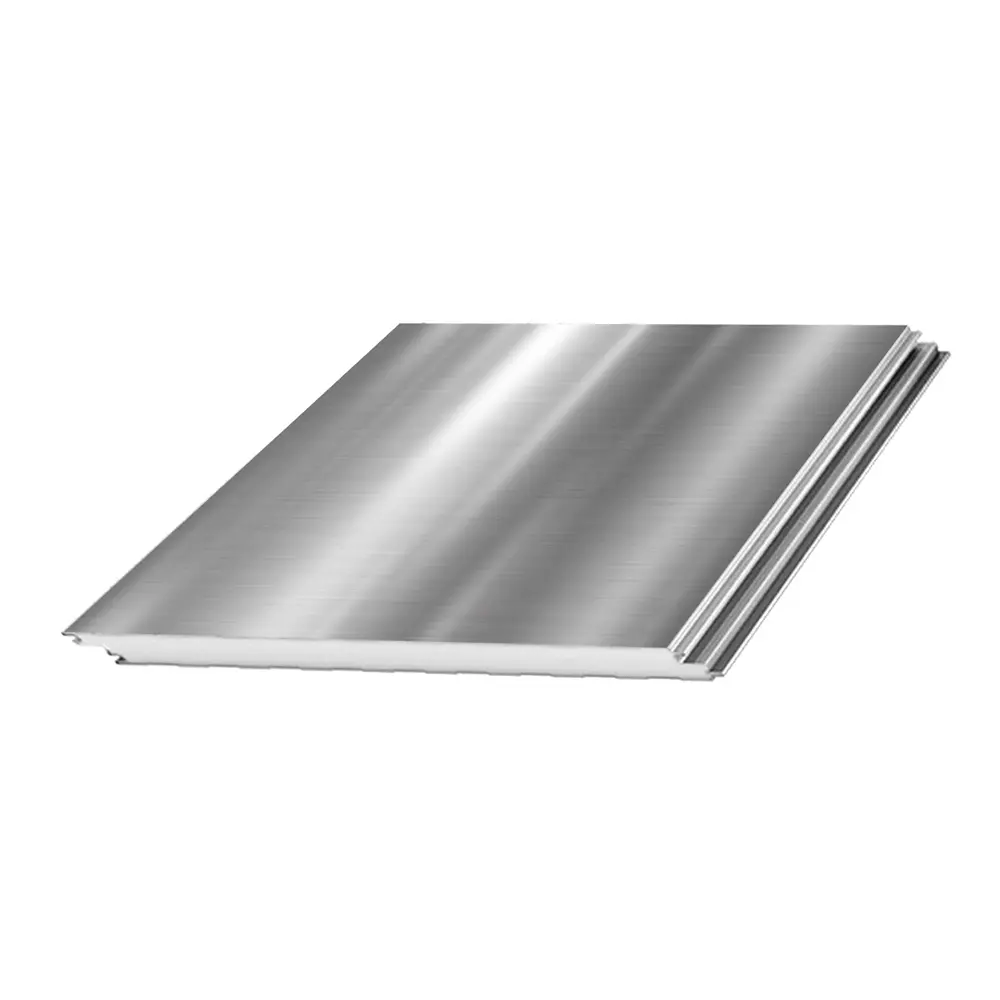
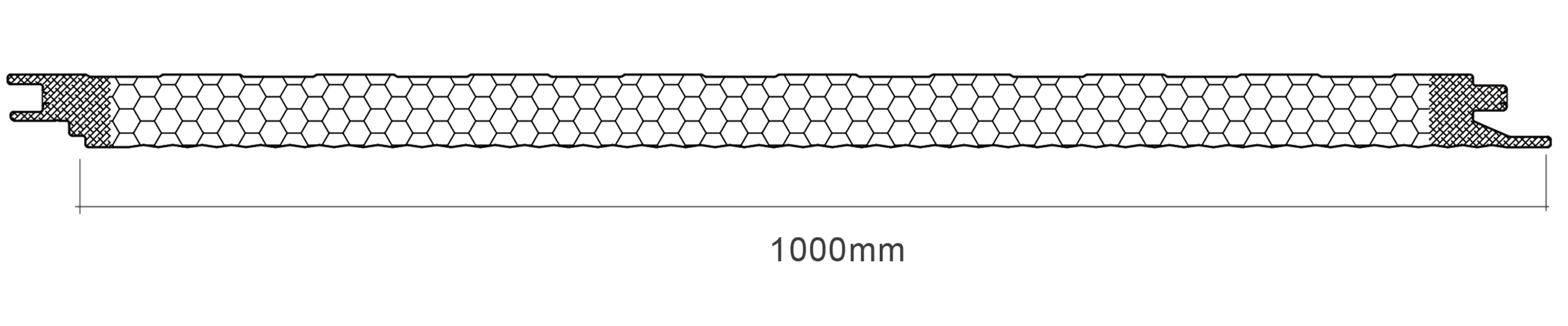
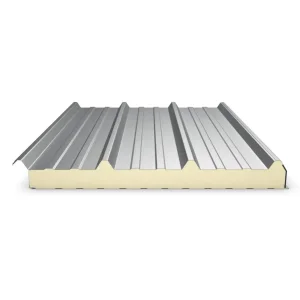
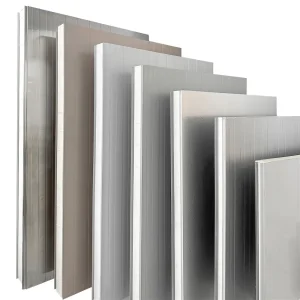
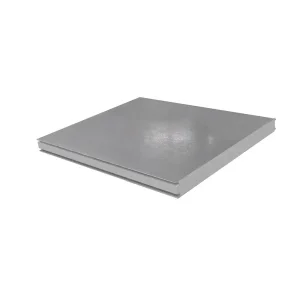
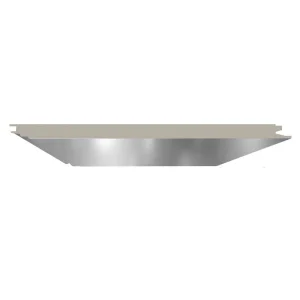
Polyurethane (PUR) and Polyisocyanurate (PIR) are the multifunctional foam core material widely used in various industries due to its excellent thermal insulation properties, mechanical strength and moisture resistance. Seamless insulated exterior siding sandwich panels are made with a rigid foam core sandwiched between two layers of durable facing material, typically made of metal or other alloy composite materials. The seamless design improves the overall performance and longevity of the structure by eliminating joints and joints, common weak points in traditional wall systems.
Surface Material & Colors
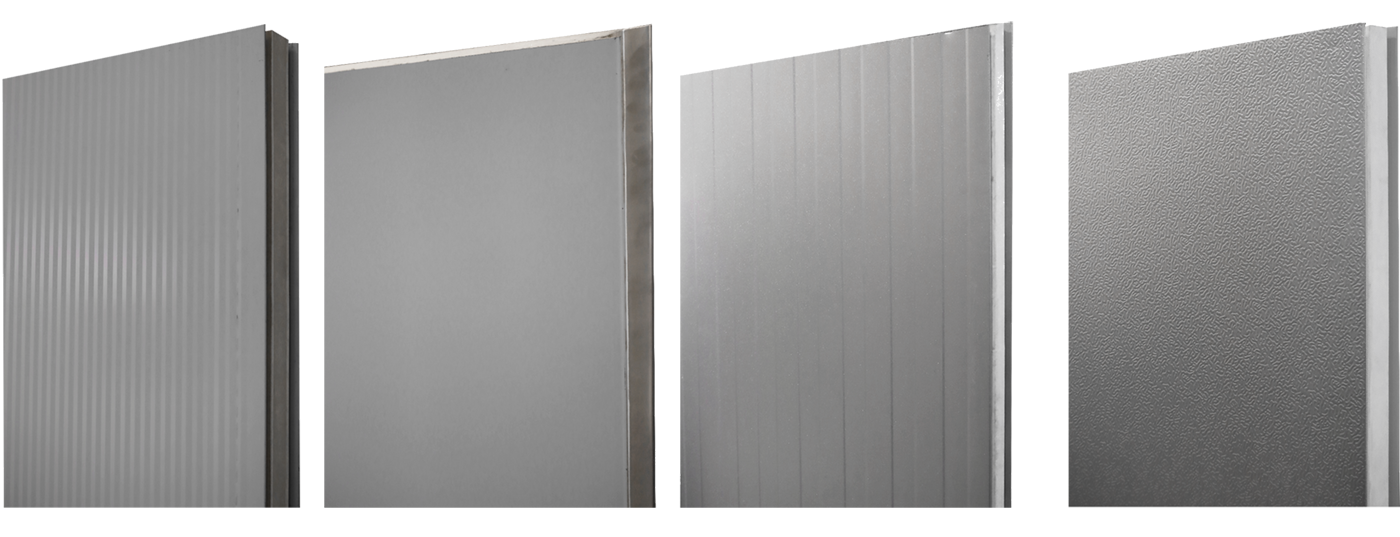
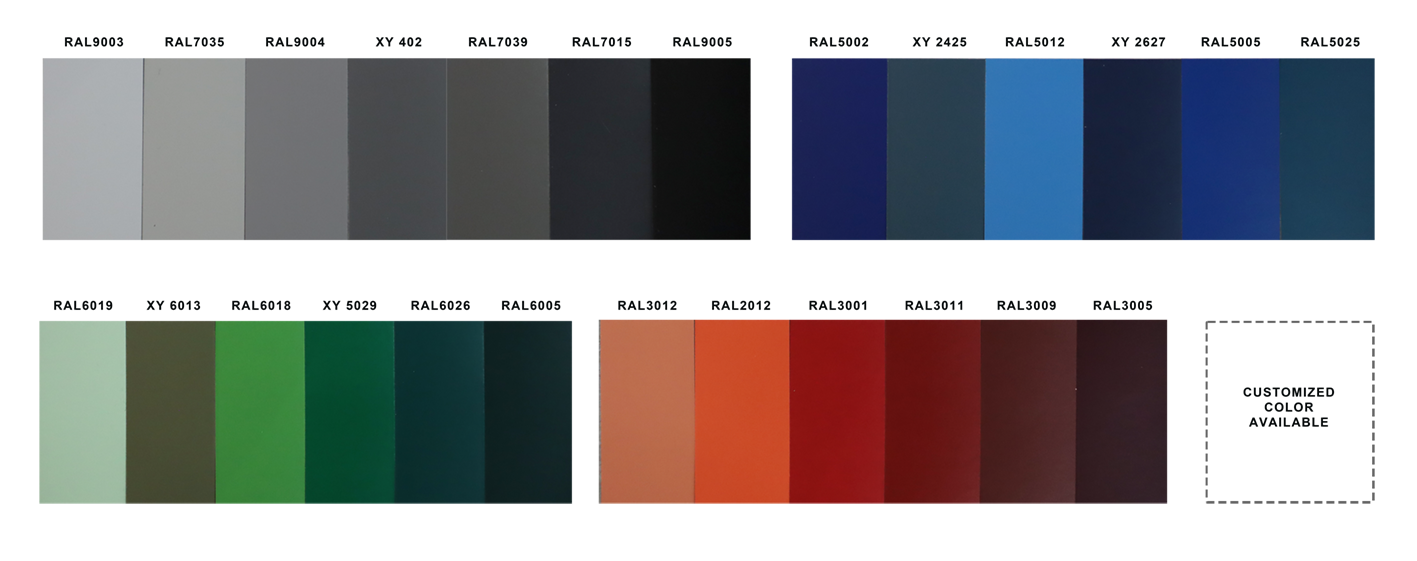
Our PUR/PIR panels have multiple customizable surface steel material and color choices such as PPGI, Stainless steel, embossed aluminum etc. Their durability, moisture resistance and chemical resistance further enhance their appeal.
PPGI (Pre-painted Galvanized Iron)
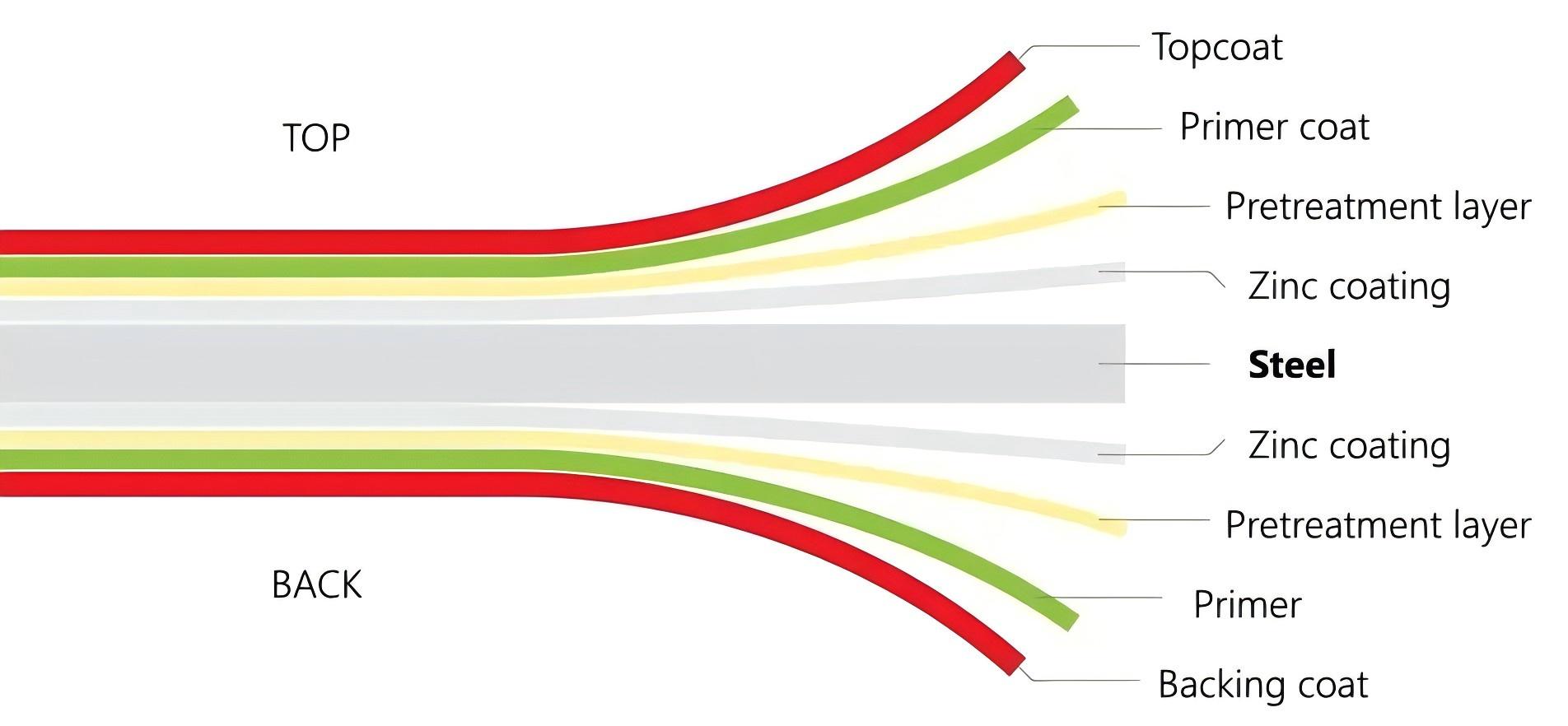
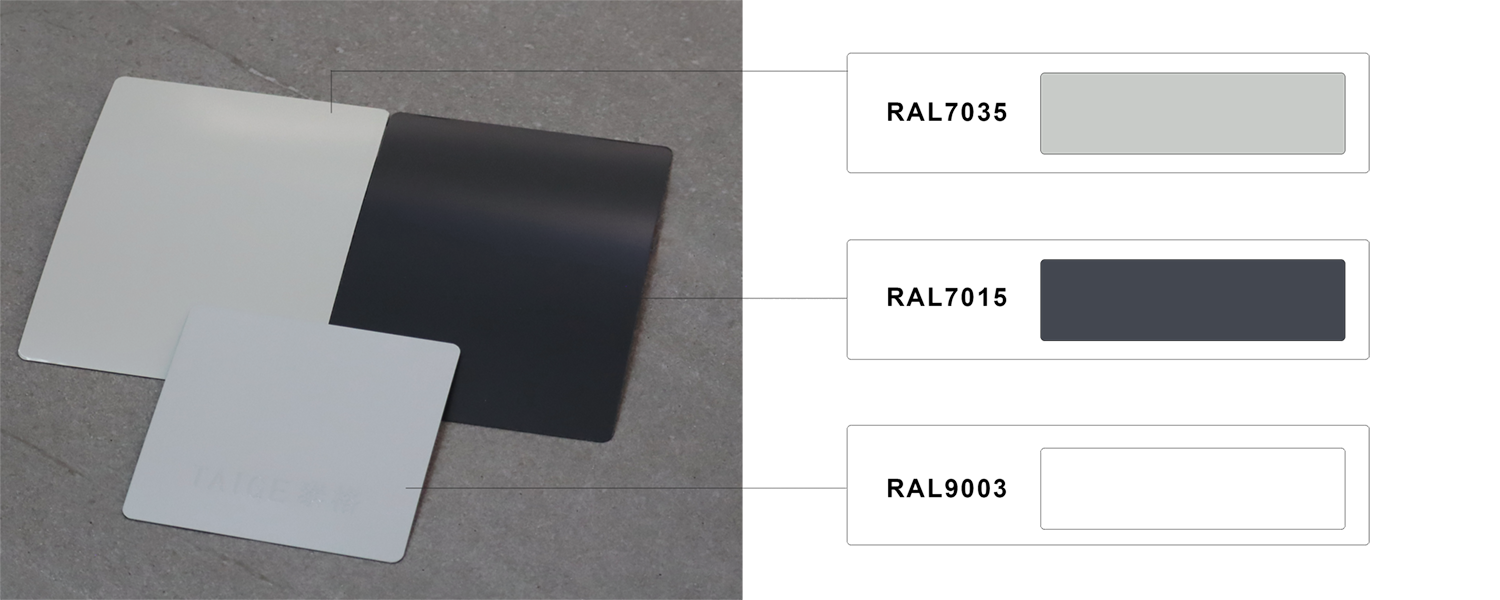
PPGI features a galvanized steel base coated with paint for excellent corrosion resistance. It is lightweight, available in various colors, and environmentally friendly with a long service life and minimal maintenance.
Typical Colors
Extended Color Range
Other Surface Materials
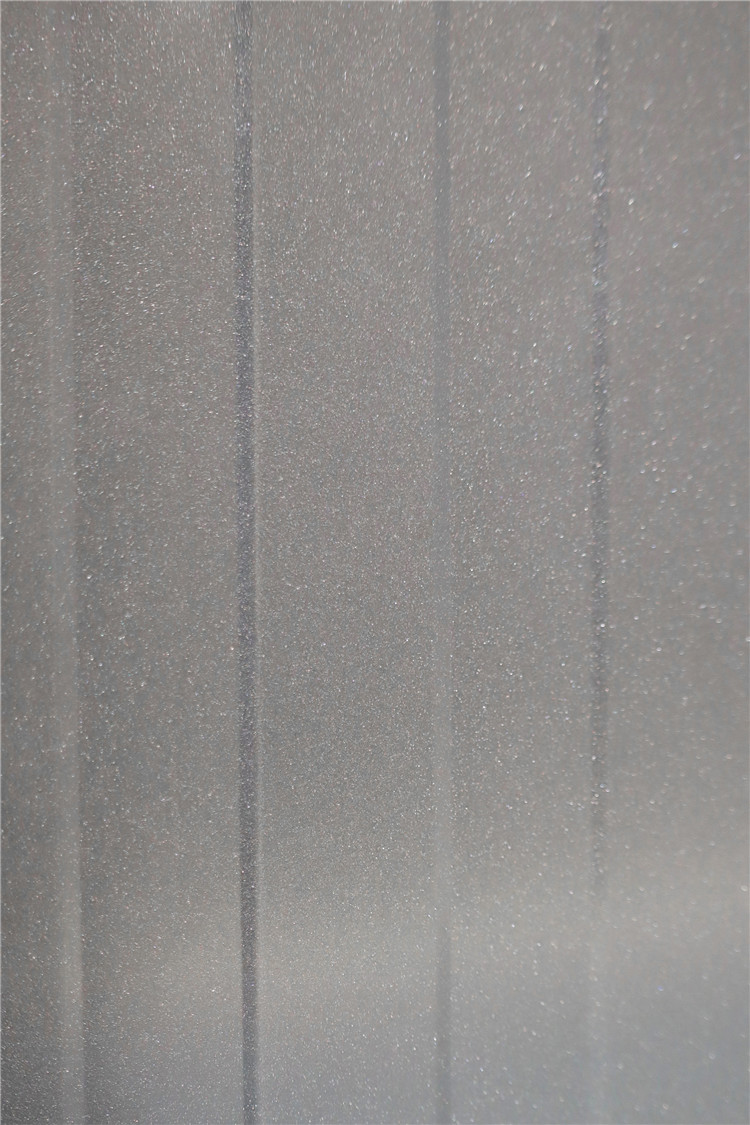
Ti-Mg-Zn-Al Alloy
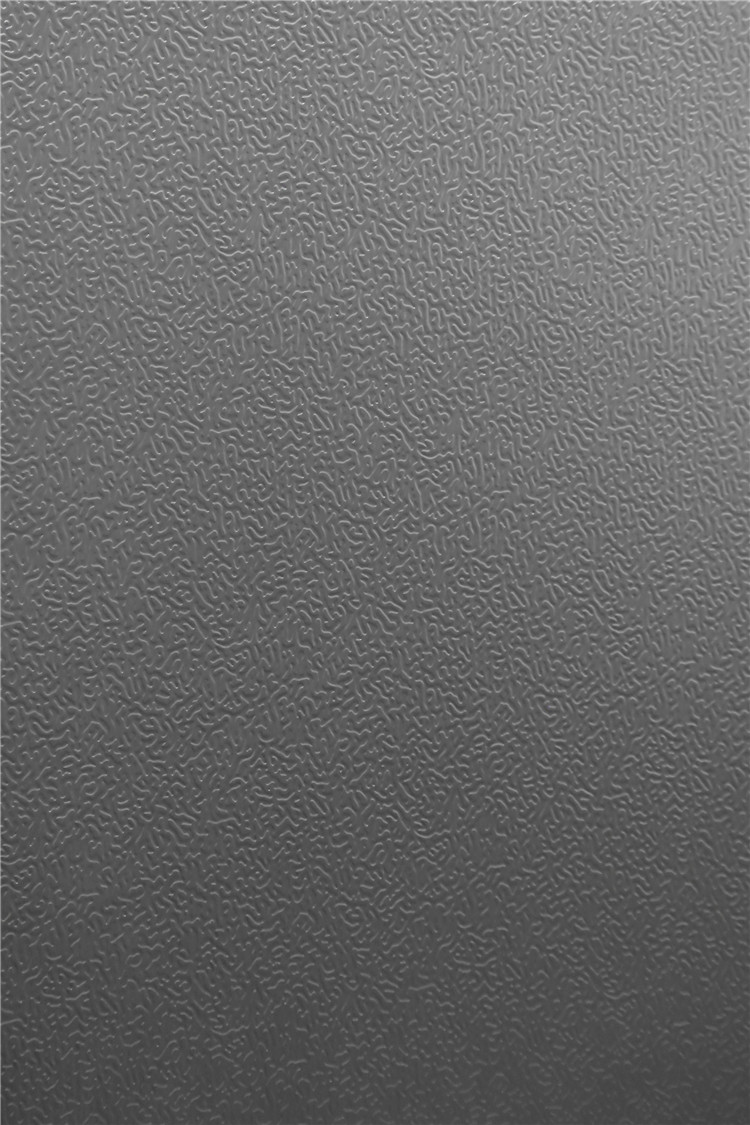
Embossed Aluminum
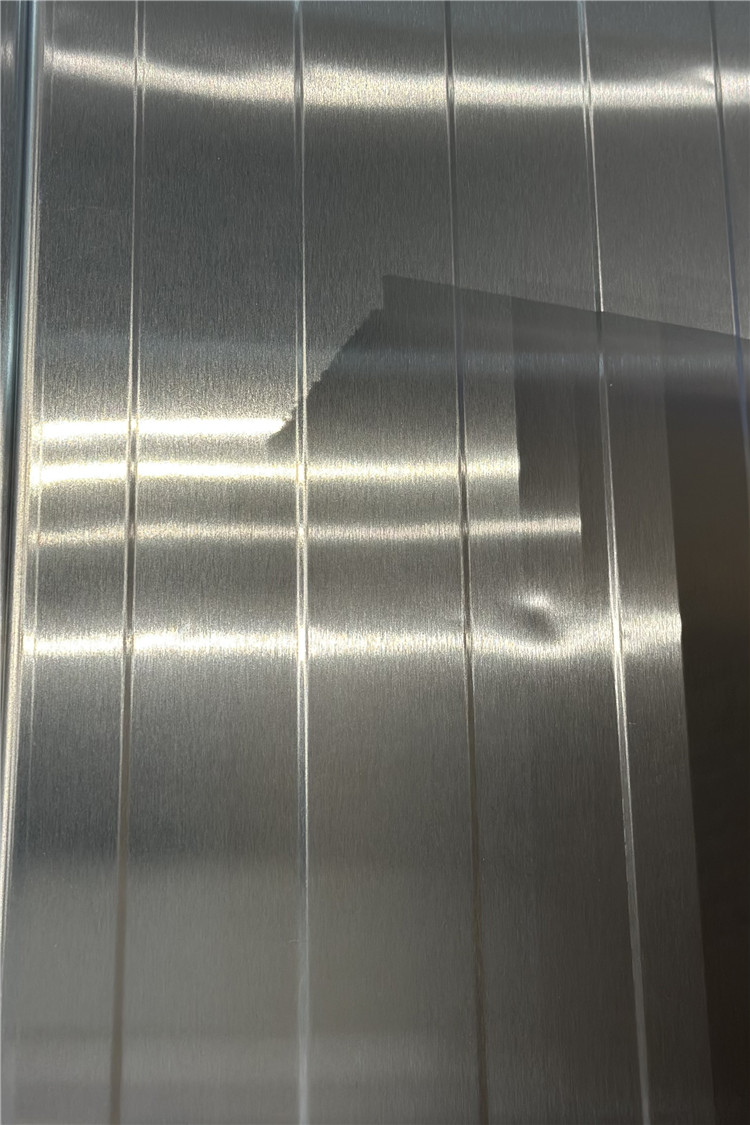
Stainless Steel (SUS304)
Advanced Protective Coatings
The surface material can be enhanced with advanced coatings to improve performance and durability:
-
1
PVDF (Polyvinylidene Fluoride): Exceptional resistance to UV radiation and weathering; retains color vibrancy over time.
-
2
HDP (High-Durability Polyester): Offers superior scratch resistance and corrosion protection for industrial environments.
-
3
EP (Epoxy Polyester): Excellent adhesion and chemical resistance, ideal for indoor applications.
Key Benefits of PIR/PUR Panels
PIR/PUR seamless insulation exterior wall panels represent a major advancement in construction technology. Their combination of energy efficiency, moisture resistance, and aesthetic versatility make them an attractive choice for modern sustainable building projects.
-
✓
Energy Efficiency: Rigid foam core has a high R-value, effectively blocking heat transfer and lowering utility bills.
-
✓
Moisture-proof: The foam core is inherently moisture-proof, preventing mold growth and water penetration.
-
✓
Durability: Designed to withstand extreme temperatures, UV radiation, and physical impacts.
-
✓
Easy Installation: Lightweight and prefabricated for rapid assembly, reducing labor costs.
Frequently Asked Questions
Q What is the difference between PUR and PIR foam core?
PIR has a higher isocyanate content than PUR, giving it superior fire resistance and slightly better thermal performance. PIR is generally preferred where enhanced fire safety is required.
Q What thickness options are available?
Standard thicknesses include 100mm, 120mm, 150mm, and 200mm. Custom thicknesses can be produced for specific project needs.
Q Can the surface materials and colors be customized?
Yes, we offer PPGI, Stainless Steel (SUS304/SUS201), Embossed Aluminum, and alloys like Ti-Mg-Zn-Al with fully customizable colors and coatings like PVDF or HDP.
Q Are these panels suitable for cold storage?
Absolutely. Their high thermal insulation (≤0.024 W/[m·K]) and seamless cam-lock joint design make them ideal for maintaining stable low temperatures in cold storage facilities.
Q What is the fire resistance rating?
Our PUR/PIR sandwich panels meet B2 Grade fire resistance. PIR core panels with enhanced fire-retardant formulations are available for higher safety standards.
Q How does the cam-lock joint system benefit the project?
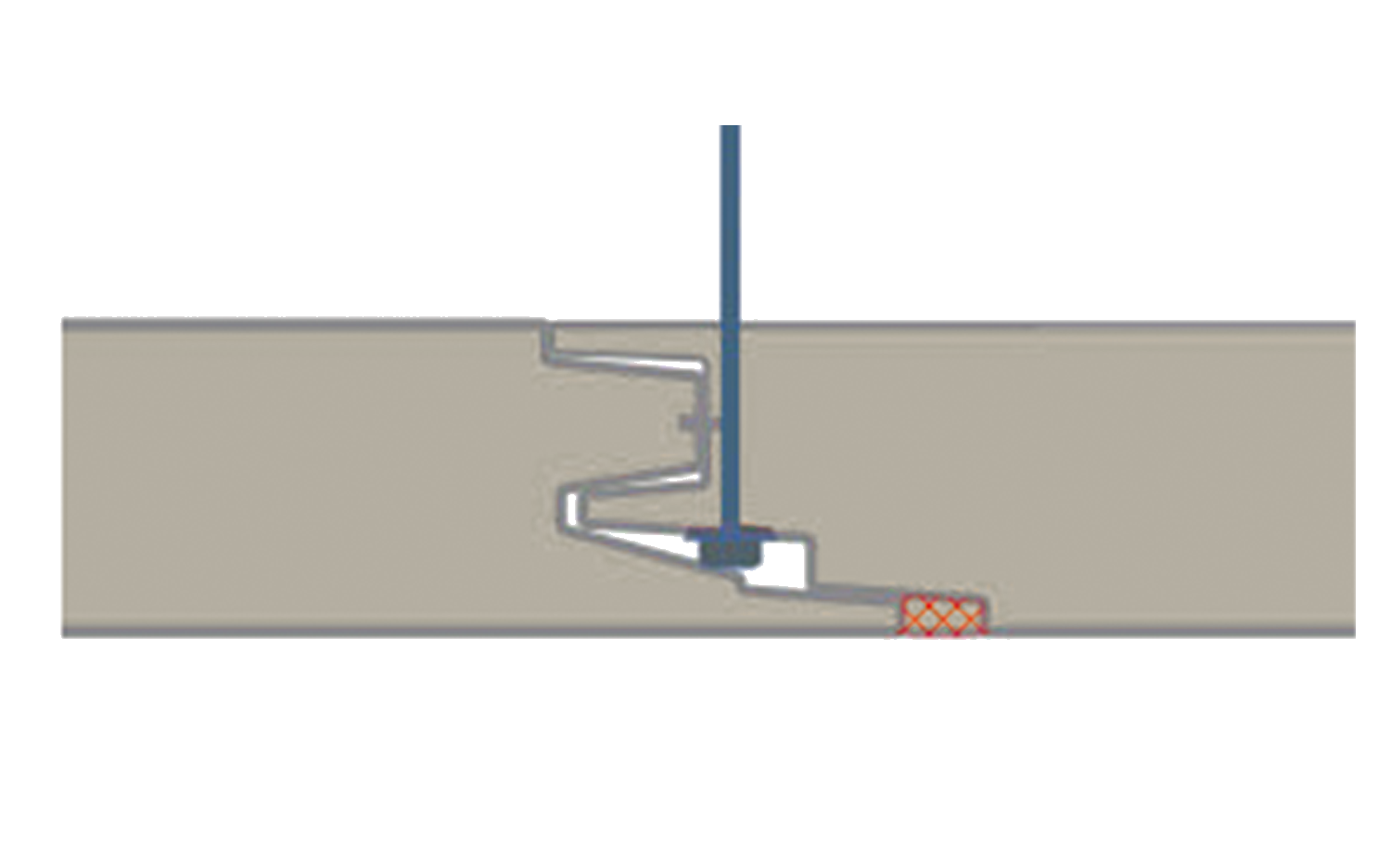
The cam-lock mechanism creates a tight, interlocking connection without visible fasteners, eliminating thermal bridges and speeding up the installation process.
 YuanShengHeTong