Engineered to deliver exceptional thermal barriers and efficient temperature regulation across heavy-duty industrial setups.
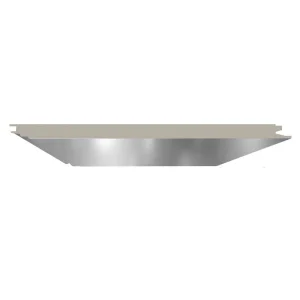
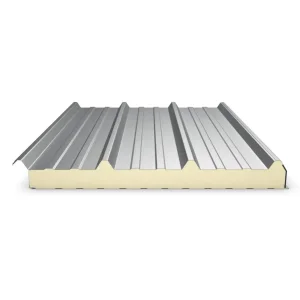
Polyurethane (PU/PUR) and Polyisocyanurate (PIR) core sandwich panels represent the gold standard in thermal control construction. These composite building materials leverage high-density rigid foam cores enclosed between two durable metal facings (typically pre-painted galvanized steel, aluminum, or stainless steel) to create rigid, structurally sound, and exceptionally insulated architectural elements.
From a mechanical perspective, the closed-cell structure of PU foam blocks heat migration. Each cell isolates a low-conductivity blowing agent, providing a stable long-term thermal resistance (R-value) that outclasses conventional materials like expanded polystyrene (EPS) or mineral wool. PIR, which employs a higher ratio of isocyanurate chemical bonds, elevates fire retardancy, structural integrity, and temperature tolerance, rendering it suitable for challenging conditions ranging from -200°C cryogenic storage up to +120°C high-temperature environments.
Evaluating the manufacturing capabilities, high-speed automated lines, and precision quality control systems.
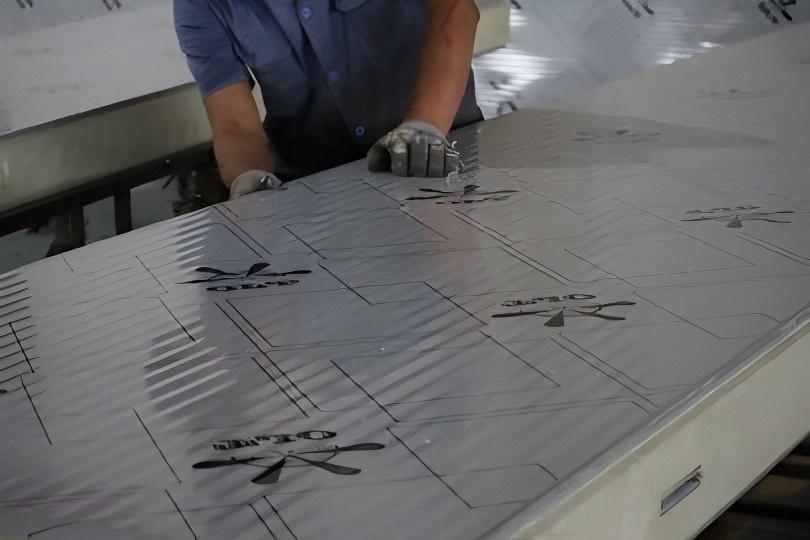
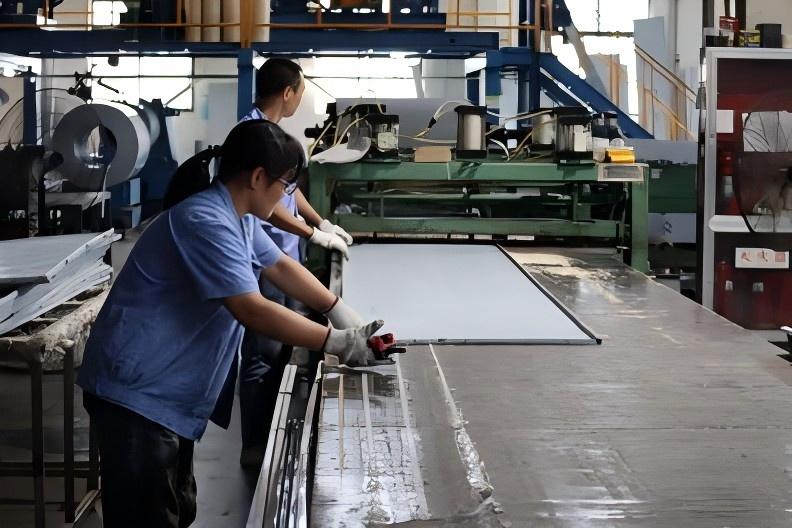
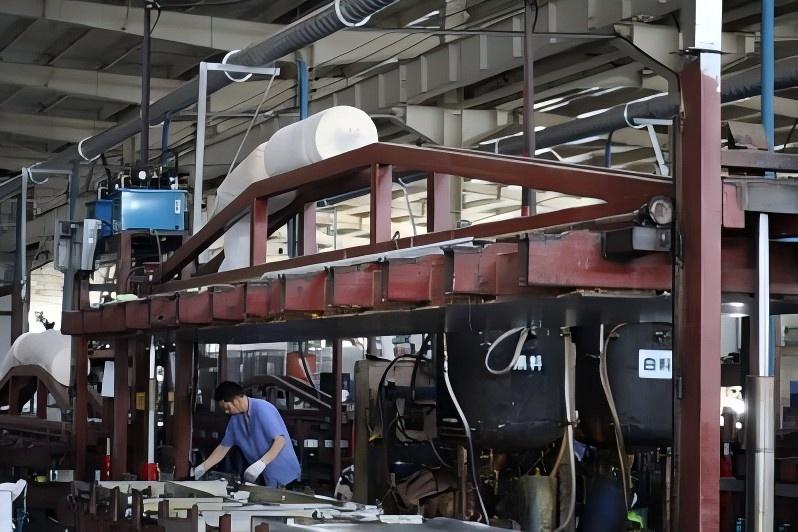
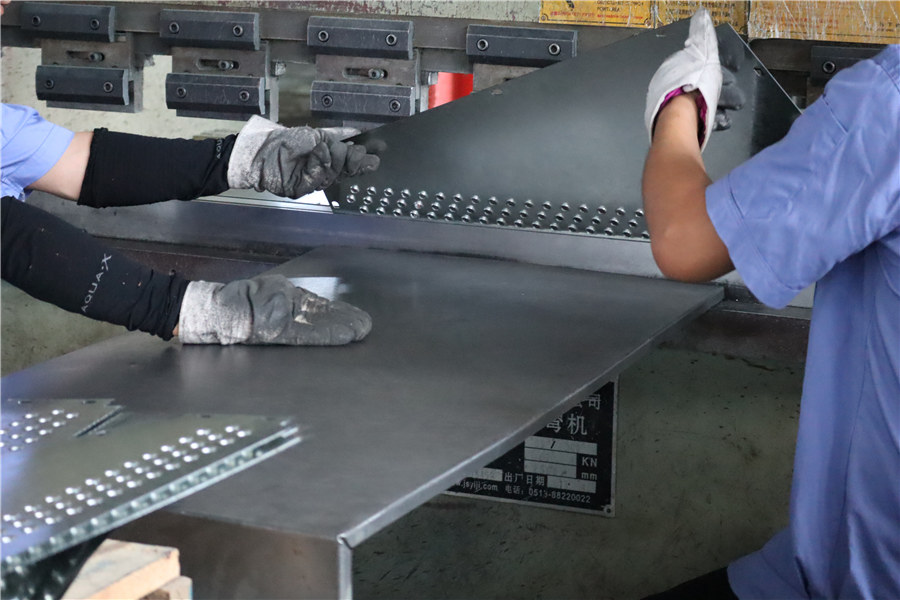
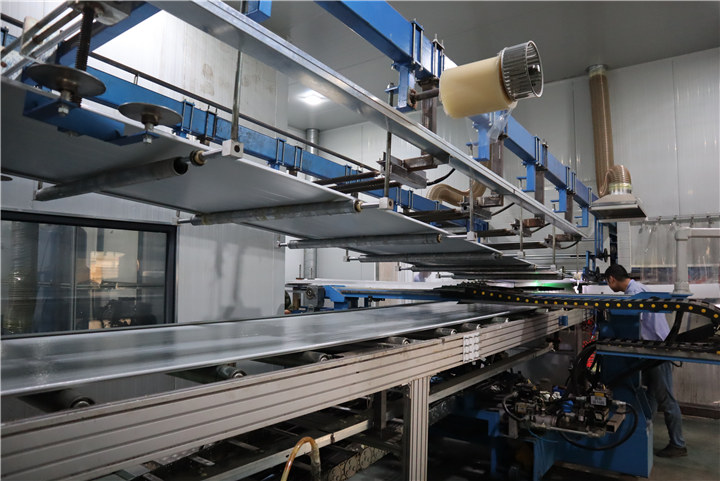
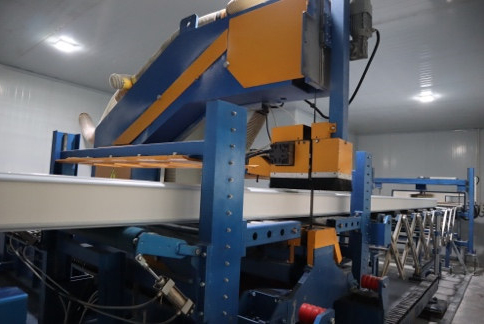
Equipped with state-of-the-art continuous laminating production lines. These setups feature computer-monitored high-pressure metering units, ensuring precise blending ratios of Polyol and Isocyanate to achieve uniform foam density distribution.
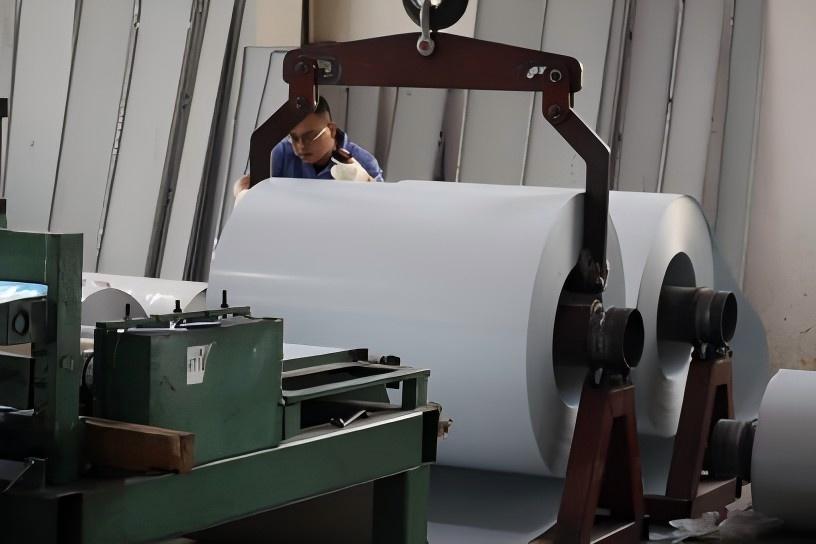
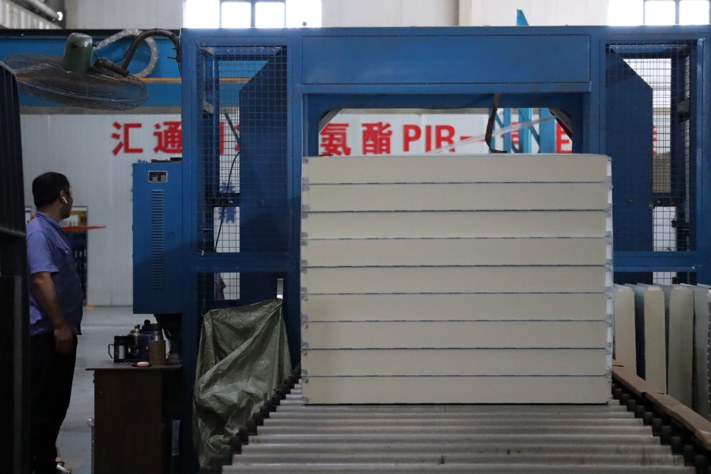
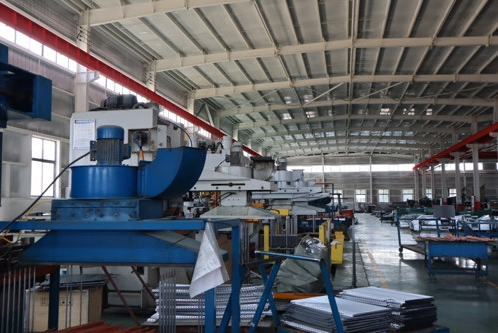
Operating across 60,000 square meters of production sites and four standardized heavy workshops. Automated systems achieve rapid throughput, executing orders for large-scale logistics centers, supermarkets, and cold chains with minimal lead times.
Our quality assurance framework guarantees strict raw material inspection, core density consistency tests, flat-bed adhesion checks, and gas chromatography tests to verify low-emissions and maximum insulation retention over decades.
One of the prominent advantages of purchasing from Chinese sandwich panel manufacturers is the localized material integration. Raw steel coils, premium polyurethane components, and structural lock components are sourced directly from top-tier domestic manufacturers. This integration stabilizes production schedules and cushions buyers against pricing fluctuations.
Furthermore, our close proximity to deep-water shipping terminals enables streamlined maritime cargo packing. Using optimized wooden crate frame structures, we pack long-span panels (often reaching up to 11.8 meters for standard 40-foot High Cube containers) safely to minimize scratching and panel warping during ocean transit.
Procurement professionals must balance regional thermal code standards, project timelines, and structural wind tolerances when procuring sandwich panels.
Our project team offers tailored answers to these international requests. We adjust structural thickness specifications to match the targeted energy objectives of your project:
We accommodate multiple external skin variations: SUS304 stainless steel for acid/moisture corrosive environments, standard PE prepainted steel for commercial buildings, and PVDF-coated steel for exterior walls exposed to intense solar radiation.
Offering comprehensive, client-centric guidance from engineering blueprints to field installation and maintenance.
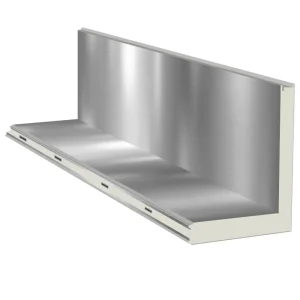
Our engineering division develops complete site blueprints based on local structural standards, detailing structural span limits, corner trim joints, and thermal bridge calculations to guarantee high-efficiency operation.
We provide accurate installation manuals, custom mechanical drawings, and digital support channels. Where required, our senior engineers are dispatched to supervise layout alignments and secure structural connections.
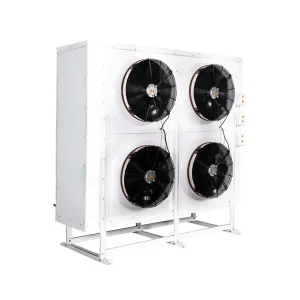
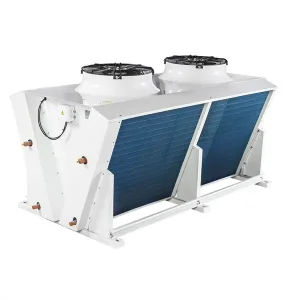
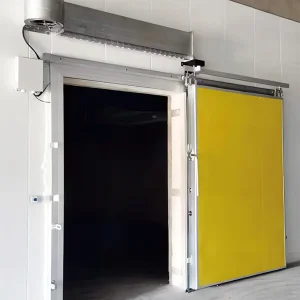
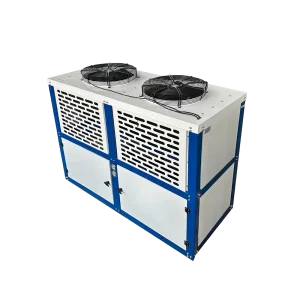
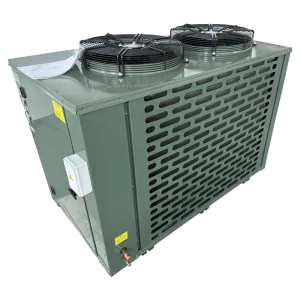
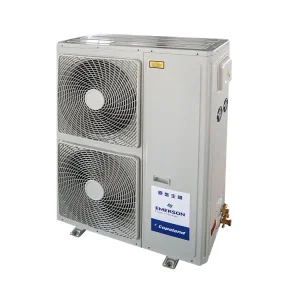
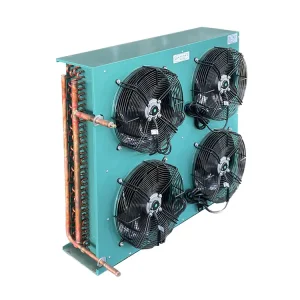
Our responsibility extends beyond manufacturing. We supply air coolers, high-pressure condensers, condensing units, and automated cold-storage sliding doors to ensure seamless integration and single-source accountability.
Shaanxi YuanShengHeTong Refrigeration Equipment Co., Ltd. is a leading factory and enterprise dedicated to insulation panels and refrigeration equipment. Besides high-capacity product manufacturing, we provide comprehensive services such as thermodynamic project design, construction management, onsite installation, and reliable after-sales support.
We integrate "high-quality products, one-stop project solutions, advanced engineering services, and international trade" to deliver durable results. Our specialized cold chain fields include preservation solutions for fruits, vegetables, and the food industry, along with temperature-control solutions for large supermarkets, restaurants, hotels, medical centers, and logistics enterprises.
Our business in the refrigeration market began in 1996. With over 20 years of experience, we offer deep professional expertise. Our factory is equipped with advanced technologies to meet demanding global insulation requirements.
With about 180 workers and a 10-person QC team, the quality and efficiency of our products are guaranteed. We are always aiming for higher-quality products and better service.
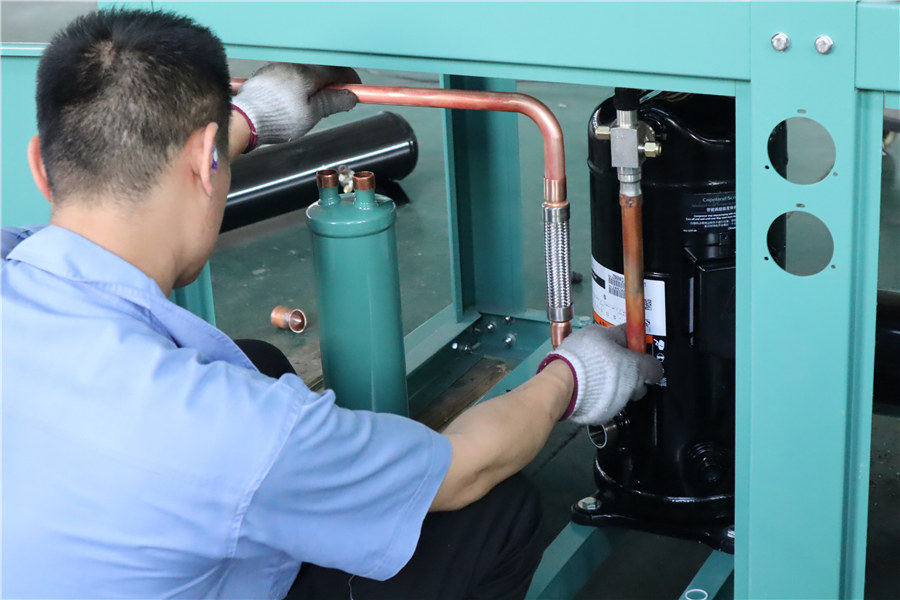
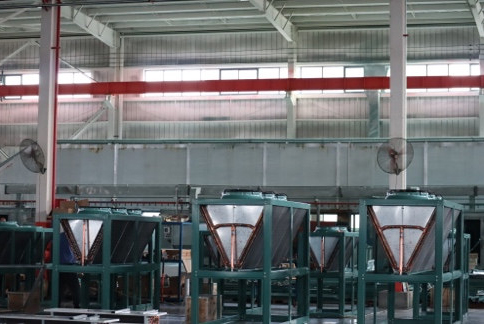
Currently, our factory features an existing production site of 60,000 square meters, 4 standardized workshops, and advanced manufacturing lines. Our primary products include PIR (Polyisocyanurate) and PU (Polyurethane) sandwich panels, cold storage doors, air coolers, condensers, condensing units, and custom compressor units.
A chronological history tracking our growth from a local refrigeration service provider into a global industrial supplier.
Our founder started the business in refrigeration equipment marketing and installation, building our core thermal engineering foundation.
With our first factory completed in Shaanxi, we produced our first high-quality cam-lock polyurethane sandwich panels for regional customers.
We completed our second factory in Lanzhou, expanding our supply capabilities across the northwest China thermal insulation market.
To support expanding business and international trades, our Shaanxi factory relocated to a larger, modern 120-acre facility with 8 advanced workshops.
Integrating advanced tech into our insulation panel lines, we installed our first automatic split-joint production line, enhancing output precision.
Our second automatic production line came online, boosting overall productivity, reducing lead times, and enhancing quality controls.
Focusing on sustainability, we transitioned our facilities into eco-friendly manufacturing plants utilizing low-impact blowing agents.
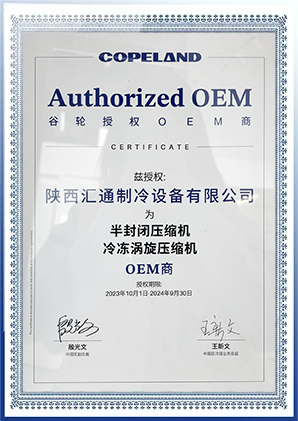
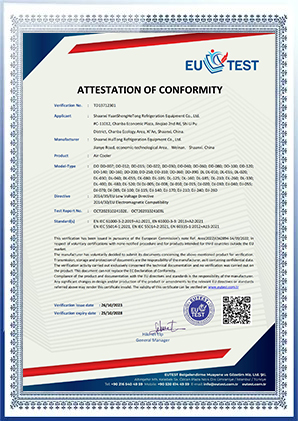
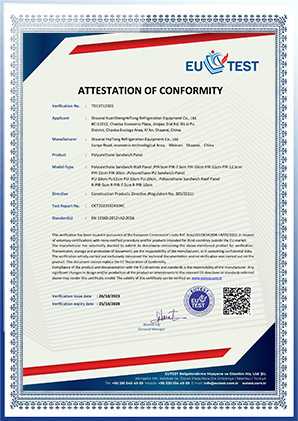
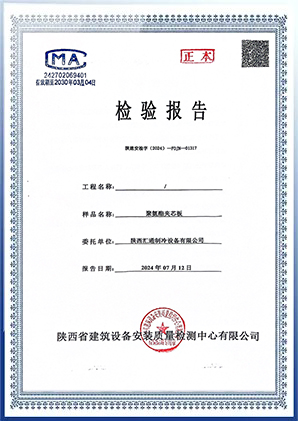
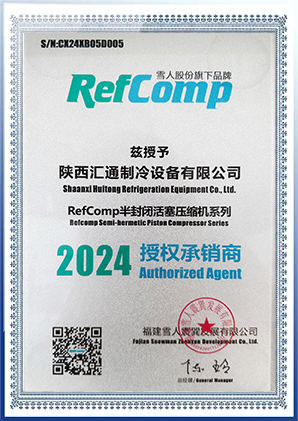
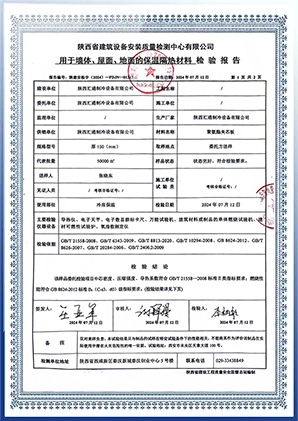
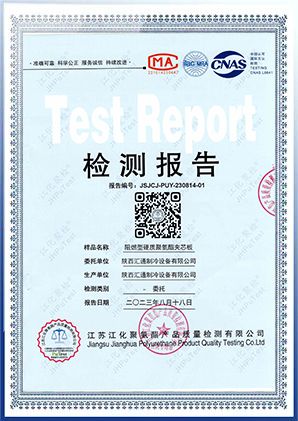
Verified certificates proving our commitment to safety, structural integrity, and thermal performance.
Analyzing key market shifts and environmental considerations shaping the future of industrial insulation.
Environmental regulations are accelerating the phase-out of traditional hydrofluorocarbons (HFCs). Leading Chinese sandwich panel exporters have successfully transitioned to pentane-based or HFO (Hydrofluoroolefin) blowing technologies. These green formulations deliver zero Ozone Depletion Potential (ODP) and ultra-low Global Warming Potential (GWP), meeting strict European and North American building codes.
Rising on-site labor costs are shifting builders toward off-site prefabrication. Polyurethane sandwich panels are manufactured with high dimensional accuracy, allowing fast on-site assembly. This approach reduces overall construction waste and accelerates commissioning schedules for industrial properties.
Modern building insurance policies demand high structural fire safety standards. While standard polyurethane panels offer reliable B2 fire performance, modern PIR core panels incorporate advanced fire retardants. This chemical structure forms an insulating carbon char layer under heat exposure, preventing flame propagation.
The growth of fresh-food e-commerce and pharmaceutical logistics requires strict temperature monitoring. Integrating IoT temperature sensors directly into panel assemblies allows logistics operators to trace thermal fluctuations in real time, validating temperature stability.
Answering structural, thermal, and regulatory queries regarding PU/PIR sandwich panel design and imports from China.
The difference lies in the chemical composition of the core foam. Polyurethane (PUR) uses an approximate 1:1 ratio of Isocyanate and Polyol, delivering excellent structural properties and thermal insulation. Polyisocyanurate (PIR) incorporates a higher proportion of Isocyanate, reacting to form ring-like molecular structures. This cross-linking gives PIR panels superior fire retardancy (frequently rating as Class B1) and higher thermal stability compared to PUR.
Air tightness is secured through built-in eccentric cam-locks cast directly into the polyurethane core during manufacturing. During assembly, workers lock these connections using an Allen key, pulling the panel tongue-and-groove joints tightly together. Applying specialized, food-grade silicone sealant along these joints creates a vapor-proof barrier, preventing moisture migration and cooling losses.
For chemical processing plants, coastal areas, or meat processing facilities with strict sanitization protocols, we recommend SUS304 or SUS316 stainless steel facings. Alternatively, we offer PVDF-coated galvanized steel, which provides excellent resistance against acid rain, saltwater spray, and high UV exposure.
With correct installation and maintenance, high-density PU sandwich panels from Shaanxi YuanShengHeTong will maintain their structural integrity and thermal insulation for over 25 to 30 years. The closed-cell foam core prevents moisture absorption, ensuring the R-value does not degrade over time.
Yes, we provide integrated one-stop cold chain solutions. In addition to manufacturing PU/PIR wall and roof panels, we manufacture air cooler evaporators, high-performance condensers, condensing units, and insulated cold storage sliding doors. This simplifies supply chain management and guarantees component compatibility.
Panels are stacked with protective plastic wrapping layers to prevent surface scratching. The stack is secured in custom wooden frames and crated before loading. Long-span panels are loaded using specialized side-loading forklifts into 40-foot HQ shipping containers to prevent structural damage during transit.
Explore our industrial cooling systems designed to optimize energy efficiency and thermal control.
 YuanShengHeTong