 YuanShengHeTong
1 / 4
Compressors are essential components in the refrigeration and cold storage industries, playing a pivotal role in maintaining optimal temperatures for perishable goods.
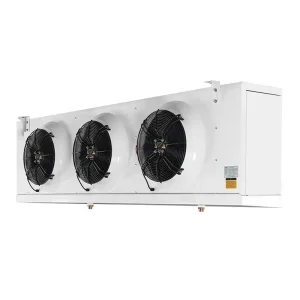
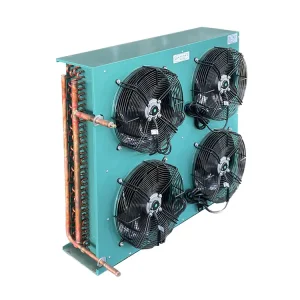
In the refrigeration cycle, the compressor is responsible for drawing in low-pressure refrigerant gas and compressing it into a high-pressure gas. This high-pressure gas then moves to the condenser, where it releases heat and transforms into a liquid. The liquid refrigerant subsequently flows to the evaporator, absorbing heat from the environment and cooling the surrounding area. This cycle continues, ensuring that temperatures remain stable in cold storage units, supermarkets, and other refrigeration applications.
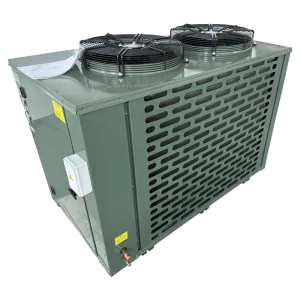
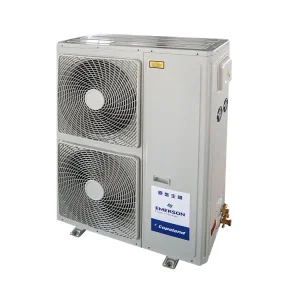
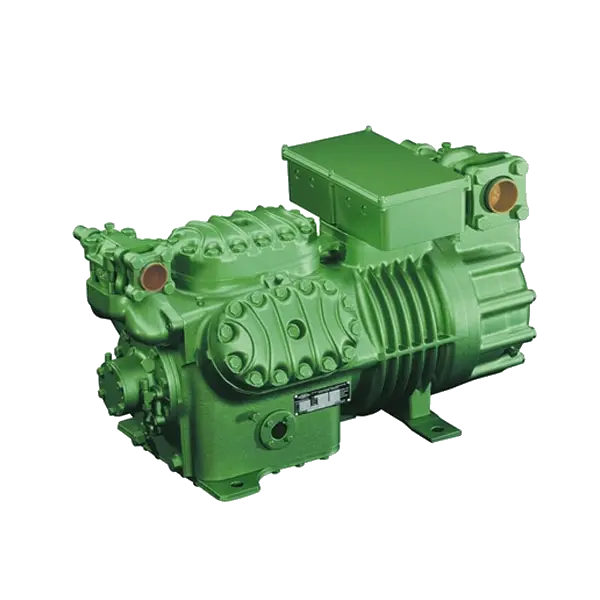
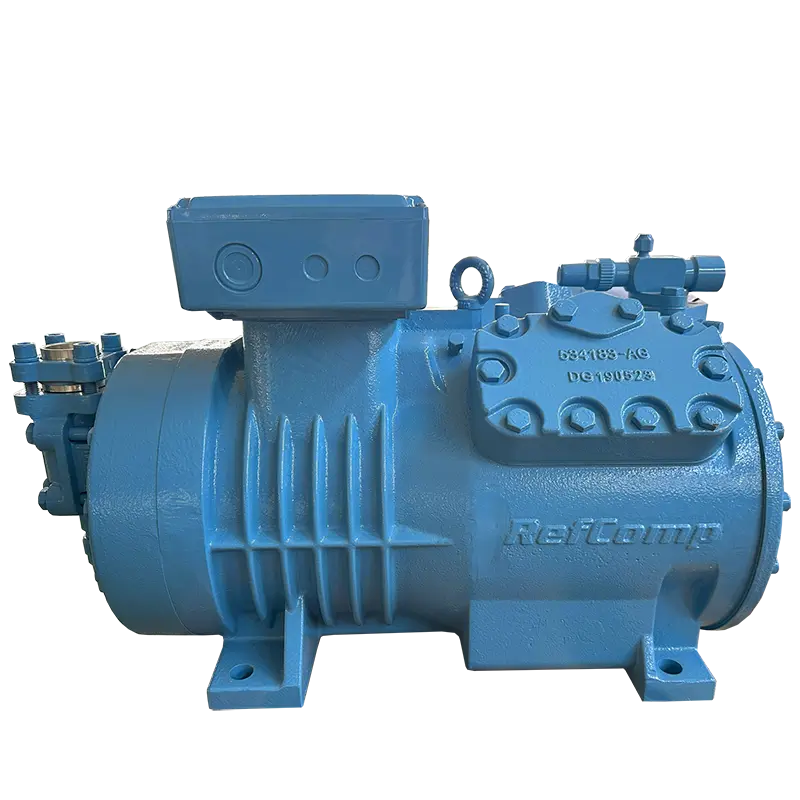
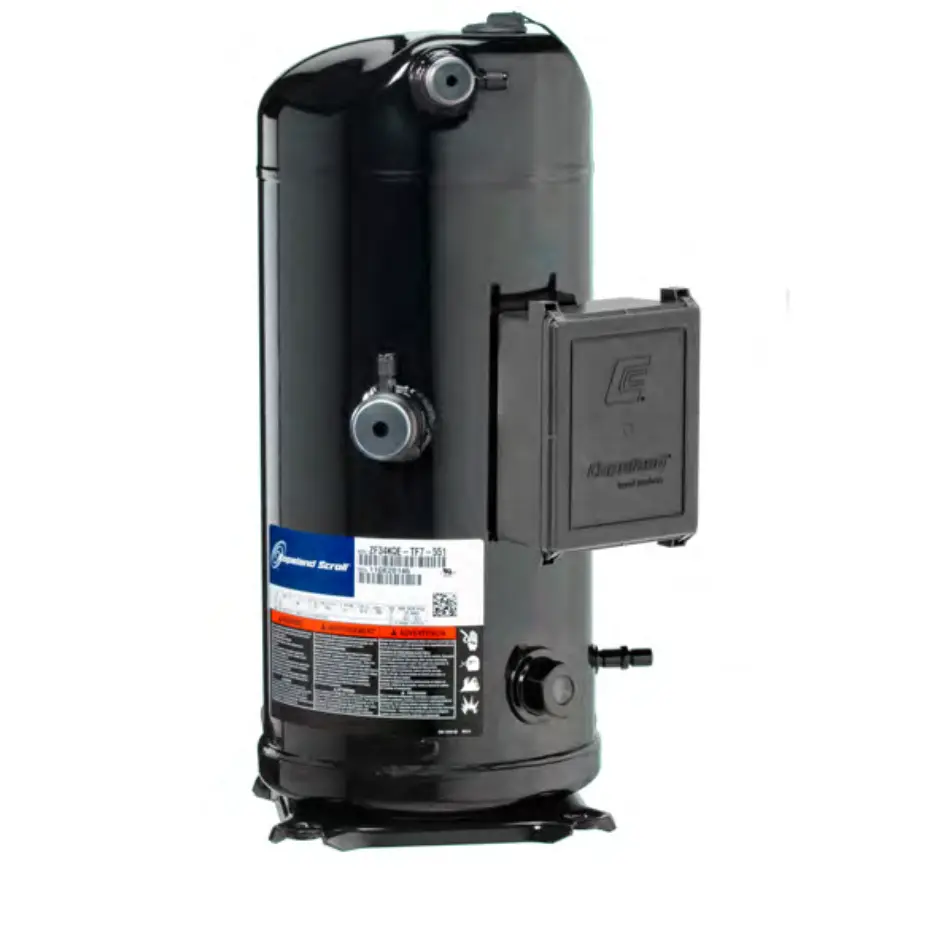
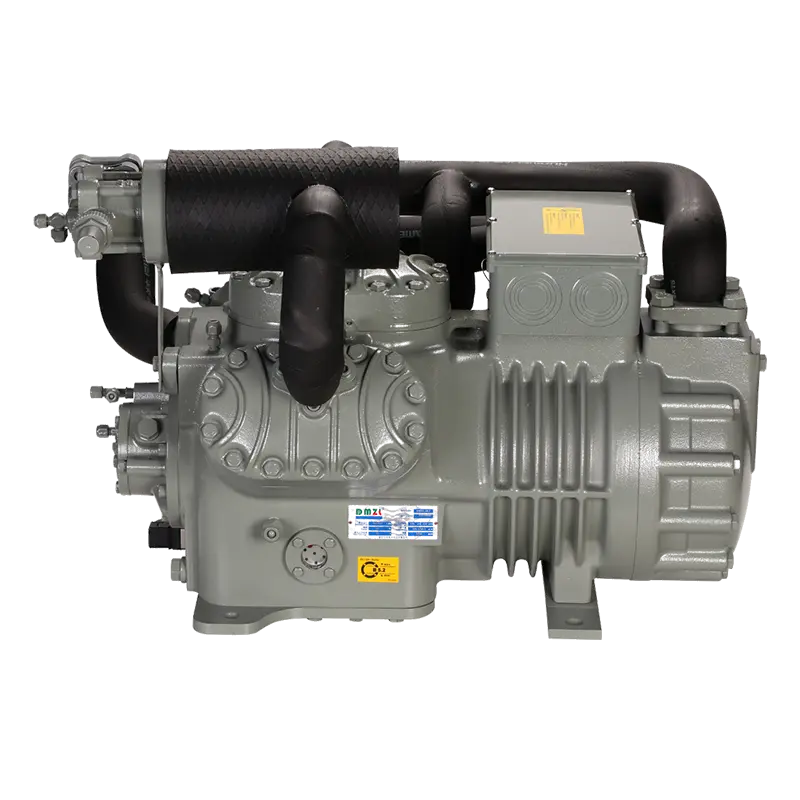
There are several types of compressors, each with unique characteristics suited for different operational needs. Among the most common types are semi-hermetic piston compressors, semi-hermetic screw compressors, and hermetic Scroll compressors.
🏆 Authorized OEM Factory:
International Brands: Copeland, RefComp
Chinese Brands: DMZL, XueYing (COLD)
Partners: Bitzer, Hanbell, Danfoss etc.
Favored in modern refrigeration systems due to their compact design and quiet operation. These compressors use two spiral-shaped scrolls to compress the refrigerant, resulting in a smooth process. Ideal for residential air conditioning and small commercial units where low noise levels are critical.
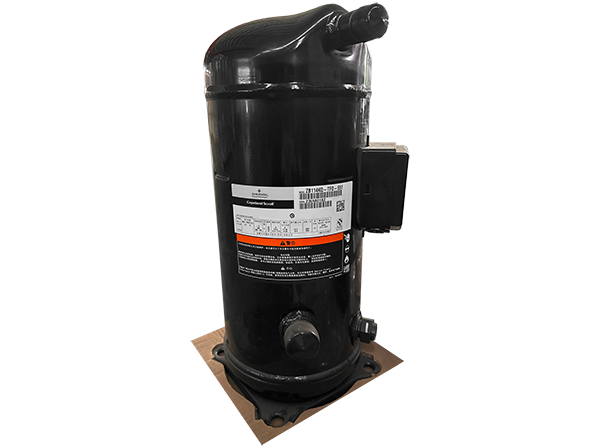
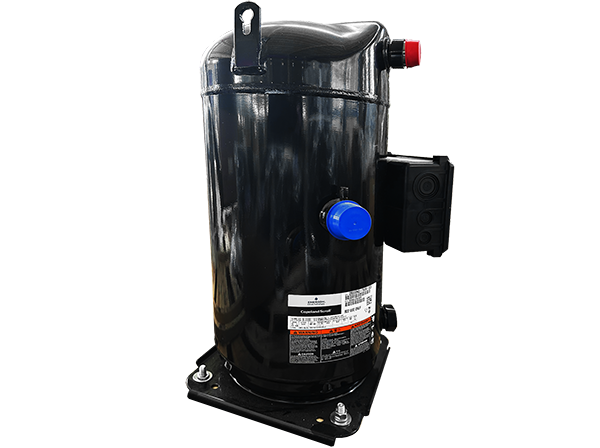
Industry-leading Scroll Compressor technology for energy-conscious operations.
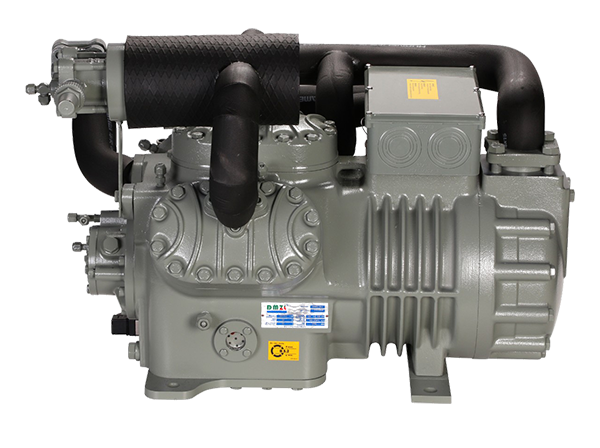
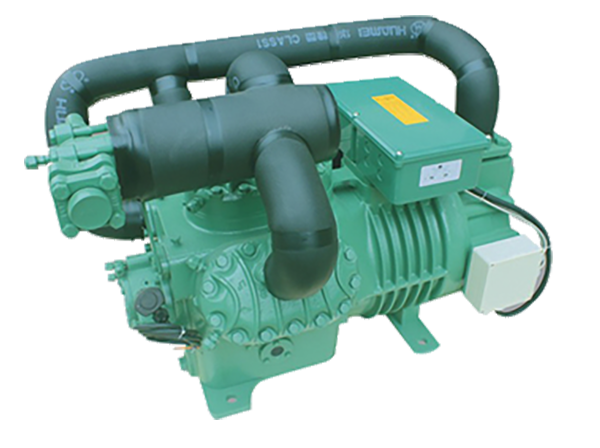
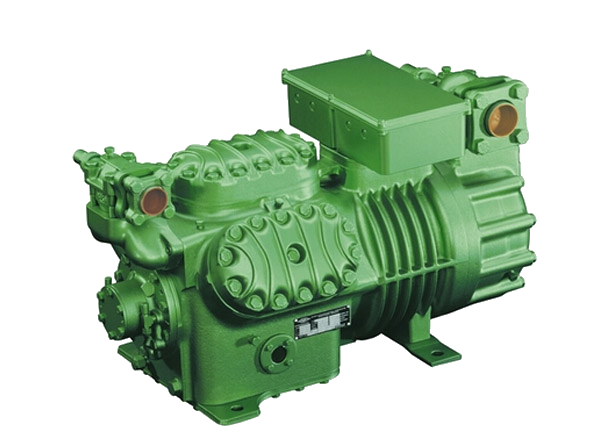
⚙️ Semi-Hermetic Piston Compressors: Feature a robust design for easy maintenance and repair. Widely used in supermarkets and industrial cooling for their ability to handle varying loads.
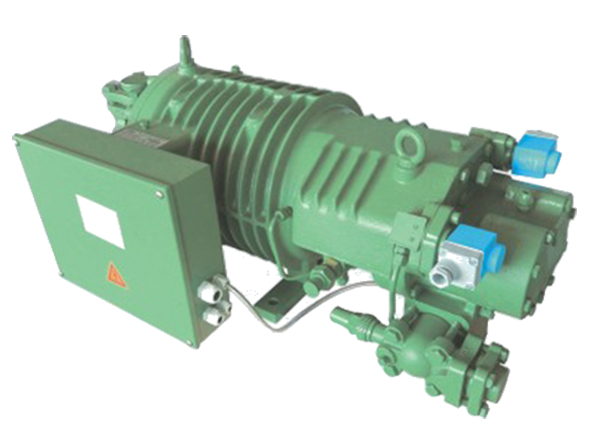
🌀 Screw Compressors: Popular for large-scale applications such as cold storage facilities. Utilizing interlocking screws for continuous gas flow, offering high efficiency across wide temperature ranges.
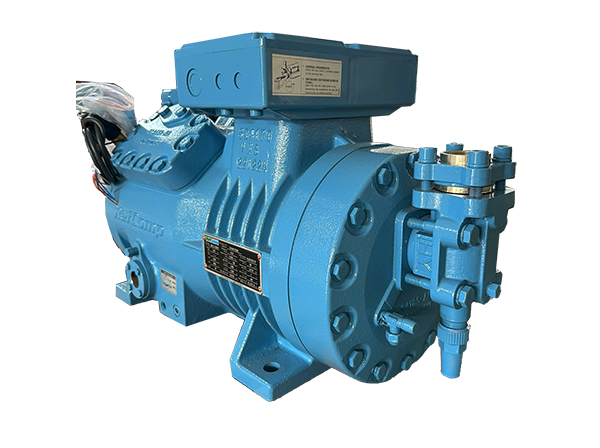
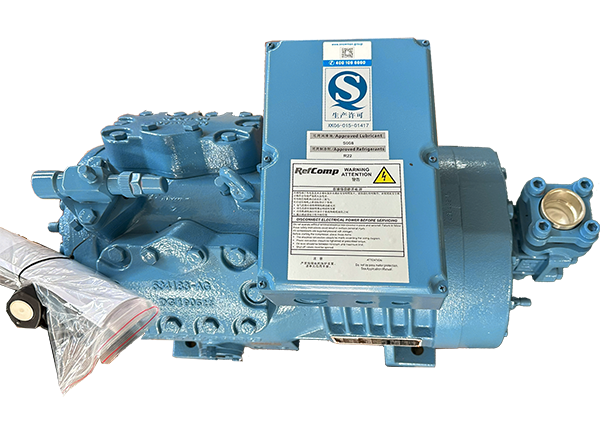
Advanced European screw and piston compressor technology.
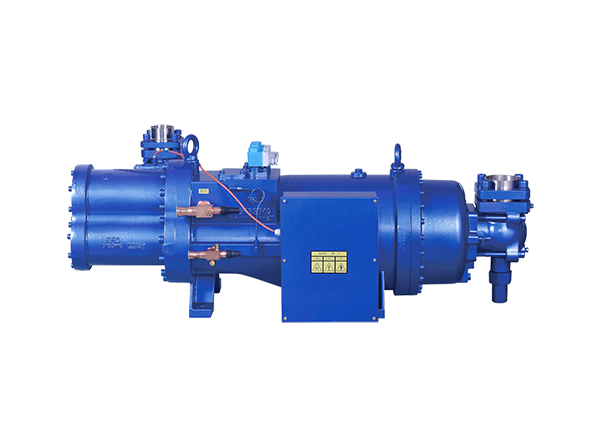
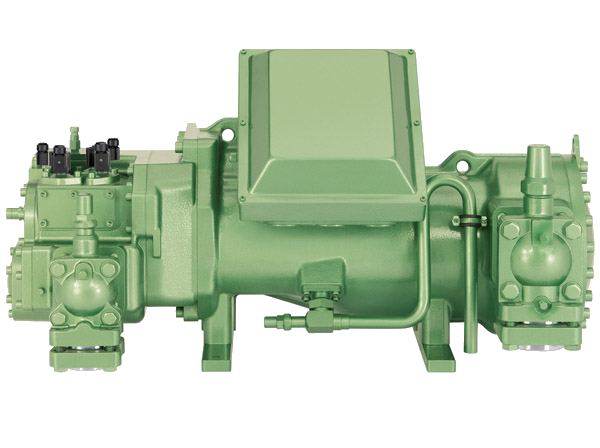
Recognized worldwide for the highest quality, efficiency, and reliability.
The choice of compressor is critical for ensuring optimal performance. Each type offers distinct advantages suited for different applications, allowing businesses to select the best option based on specific cooling needs.