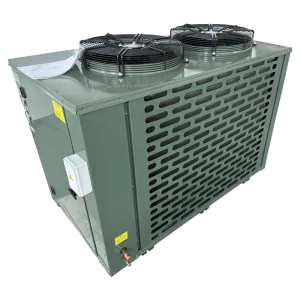
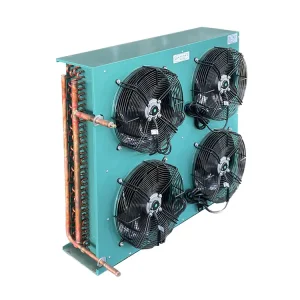
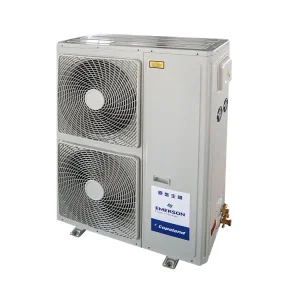
Established with a vision to revolutionize the global thermal envelope industry, Shaanxi YuanShengHeTong Refrigeration Equipment Co., Ltd. is a leading OEM Aluminum Sandwich Panel manufacturer and exporter. We deliver integrated insulation solutions, high-grade refrigeration machinery, and state-of-the-art structural components tailored for cold storage, cleanrooms, and high-performance building envelopes.
As an engineering-driven enterprise, our capabilities extend far beyond panel fabrication. We offer comprehensive, one-stop project delivery including professional thermal design, customized structural calculations, precise installation engineering, and dedicated global after-sales support. We seamlessly integrate premium raw materials, state-of-the-art production machinery, and strict adherence to international quality protocols to serve clients across the food processing, pharmaceutical, chemical warehousing, cold-chain logistics, and commercial retail industries.
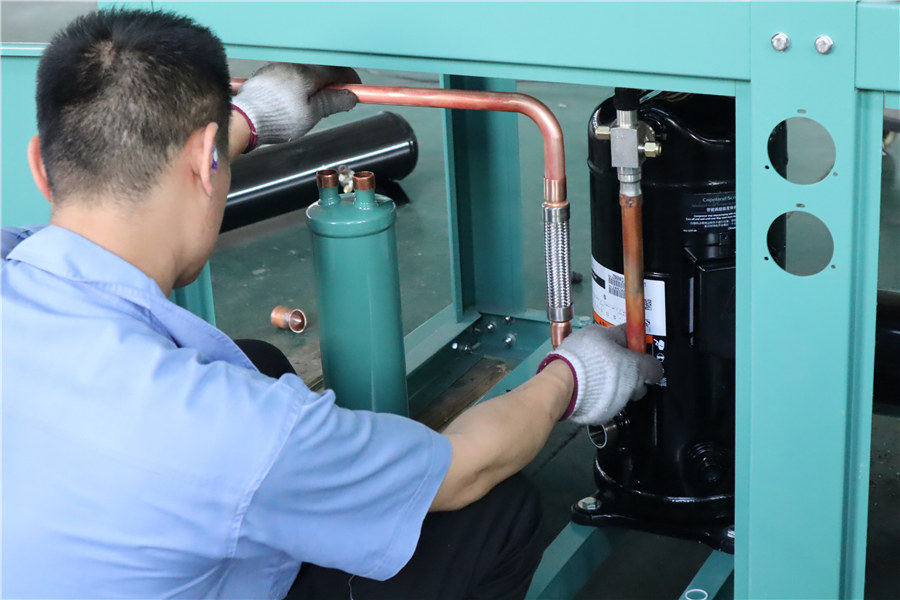
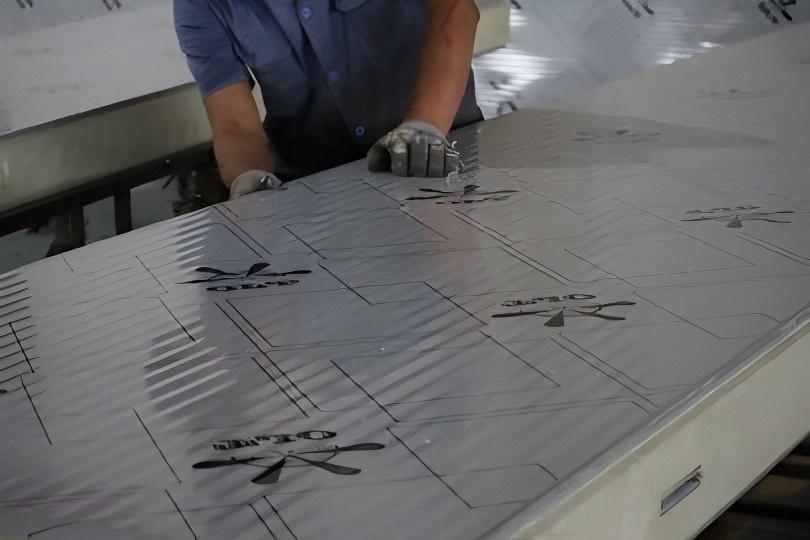
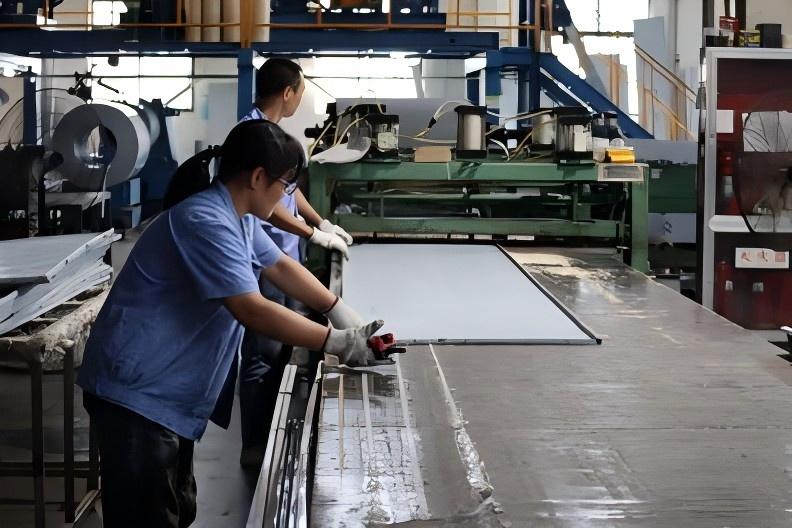
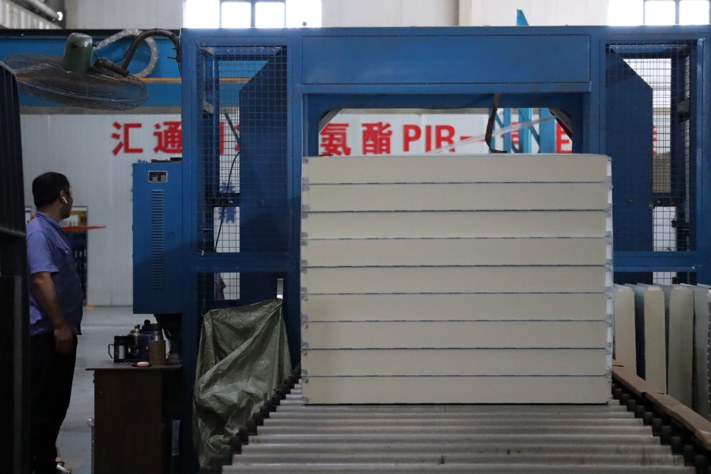
Operating out of our centralized production hub of 60,000 square meters, our facilities feature four highly standardized, heavy-duty fabrication workshops. We maintain a workforce of 180 skilled manufacturing experts, backed by a dedicated 10-member Quality Control (QC) team that monitors every step from metal coil coating to core foaming.
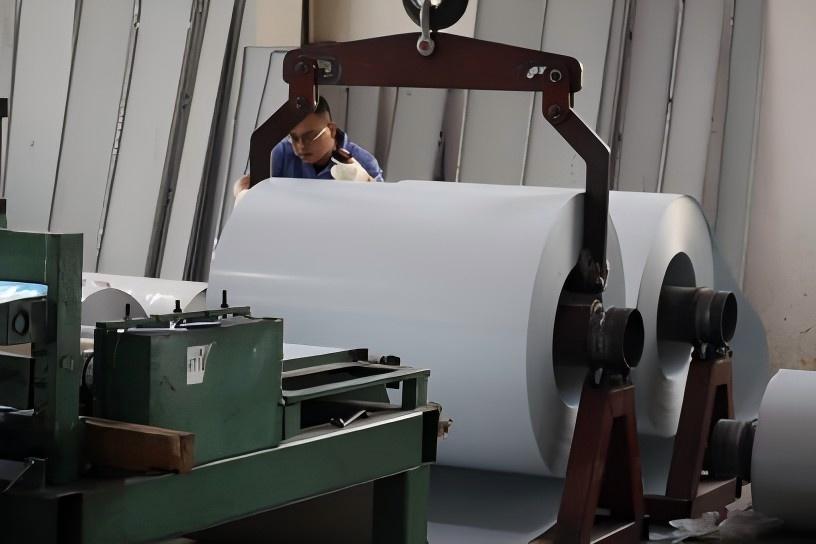
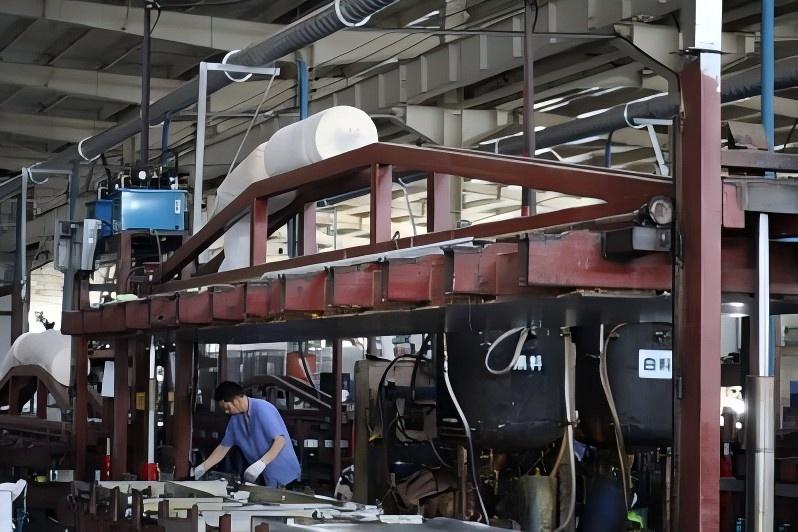
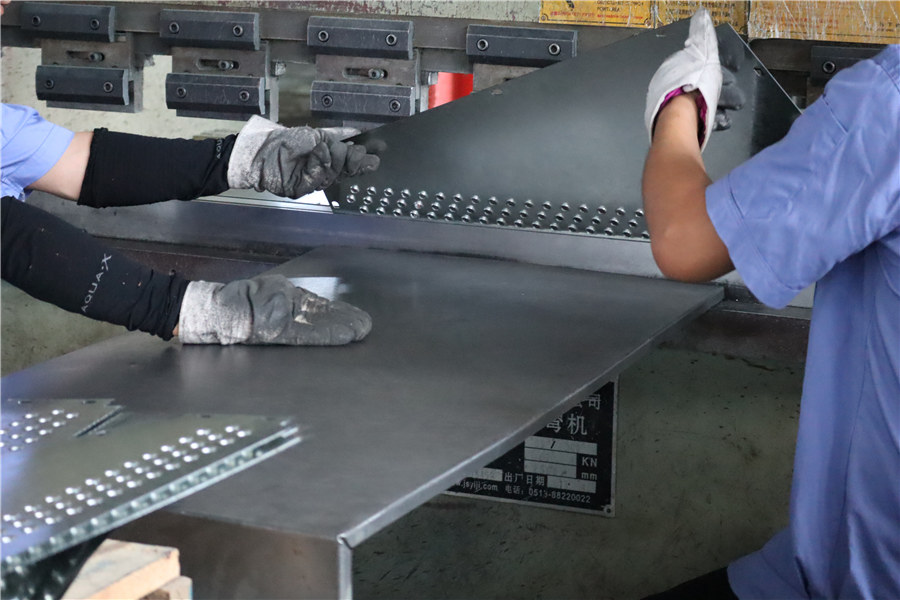
The demand for high-performance insulation panels is undergoing a structural shift. Historically, standard pre-painted galvanized steel (PPGI) panels dominated the market due to lower initial capital expenditure. However, modern cold-chain infrastructure, extreme atmospheric exposure, and rigid hygiene standards have shifted the preference toward Aluminum Sandwich Panels.
Key drivers behind this paradigm shift include the search for extreme weight reduction without sacrificing flexural strength, superior corrosion resistance in saline or highly humid environments, and cleanroom compatibility where chemical sanitizers degrade standard steel coatings. With the rise of modular construction and ultra-low energy consumption warehouses (LEED & Net-Zero certified), composite panels featuring aluminum skins paired with advanced polyisocyanurate (PIR) cores represent the pinnacle of thermal efficiency.
Aluminum naturally forms a self-healing oxide passivation layer, preventing degradation from chemical washdowns, moisture, and industrial pollutants.
Reduced dead weight decreases structural steel requirements on buildings, speeding up installation and lowering shipping overheads.
Reflective properties of aluminum skins combined with micro-cellular PIR/PUR foam structure minimize thermal bridging and energy leaks.
International buyers face complex engineering and regulatory hurdles during global procurement. Choosing the right insulation panel manufacturer requires evaluating more than just price per square meter. Reliability depends on compliance, mechanical integrity under thermal load, structural longevity, and airtight joinery systems.
To minimize risk, procurement managers must demand rigorous verification of core material densities, flame-retardant certifications (such as Class B1 / B2 fire ratings under European standards), and custom length options to minimize field cuts. For massive industrial cold rooms, panel-to-panel locking systems—particularly Cam-Lock mechanisms—are critical to guarantee airtight seals that prevent moisture infiltration, frosting, and catastrophic thermal runaway.
Understanding core material behaviors is critical for engineering design:
| Engineering Parameter | Polyurethane (PU / PUR) | Polyisocyanurate (PIR) |
|---|---|---|
| Thermal Conductivity (λ) | ~0.022 W/m·K | ~0.019 - 0.021 W/m·K |
| Fire Reaction Classification | B2 / B3 (Self-extinguishing) | B1 (Highly flame-retardant) |
| Dimensional Stability | Stable up to 80°C | Stable up to 120°C |
| Primary Application | Standard Cold Storage | High-Safety Industrial Buildings |
A high-performance building envelope is only as good as the systems that run inside it. At Shaanxi YuanShengHeTong, we provide a unified thermodynamic approach. By matching the heat loads, ambient conditions, and structural configurations, we design and deliver coordinated system solutions that prevent localized thermal failures.
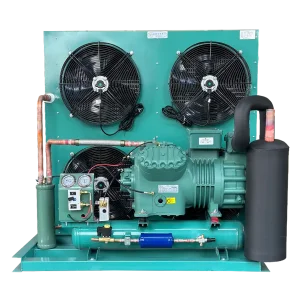
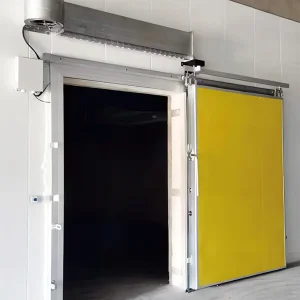
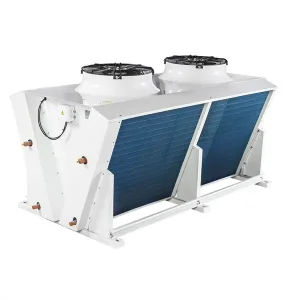
Our solutions merge aluminum polyurethane/PIR panels with air-cooled condenser units and heavy-duty insulated sliding doors to maintain precise sub-zero thermal envelopes for massive distributions centers.
Using custom coated aluminum skins, we build cleanrooms that stand up to daily chemical cleaning, preventing biological growth and ensuring food safety compliance.
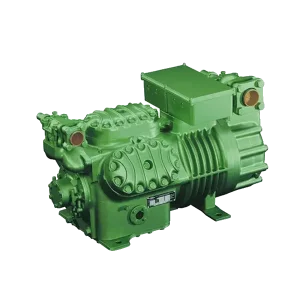
Combining high-density Cam-Lock sandwich panels with redundant multi-compressor systems provides safe, steady temperatures for medical and pharmaceutical warehouses.
Our story is defined by continuous improvement, expanding production capacity, and steady technical advancement in cold room construction and panel manufacturing:
Our founder entered the market, focusing on cold-storage equipment distribution and technical installation services.
Completed construction of our first manufacturing plant in Shaanxi, successfully delivering our first line of Cam-Lock polyurethane insulation panels.
Opened our second production facility in Lanzhou, expanding our supply chain to cover regional projects across Northwest China.
Relocated Shaanxi production to a modern 120-acre zone housing 8 advanced workshops, scaling up production for international export markets.
Introduced our first automated continuous panel lamination line, improving panel flatness and core foam density control.
Commissioned our second high-speed automated production line, significantly increasing output, dimensional accuracy, and quality control.
Transitioned to green manufacturing, integrating zero-ODP blowing agents and energy-efficient factory operations to support sustainable construction.
We export to strict regulatory environments in Europe, North America, and Australia. Every product line undergoes rigorous testing to meet global standards for mechanical, electrical, and thermal safety.
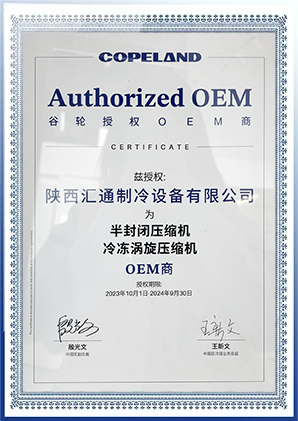
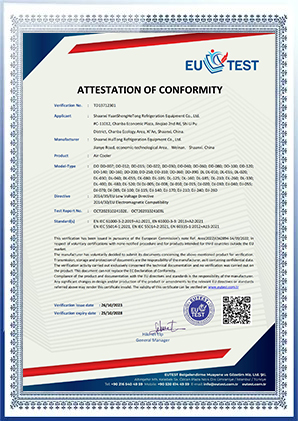
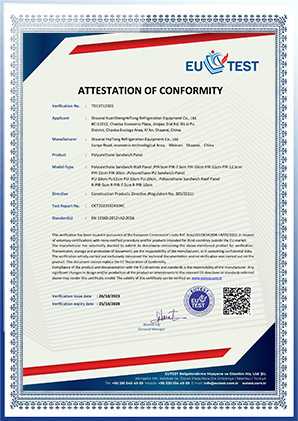
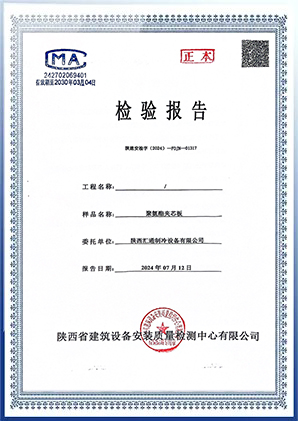
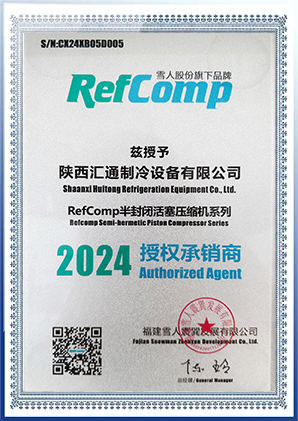
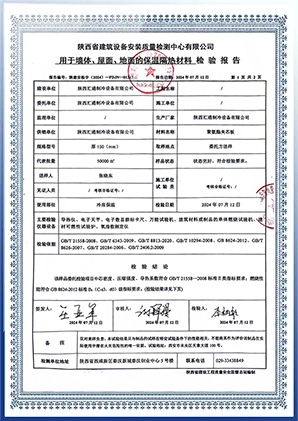
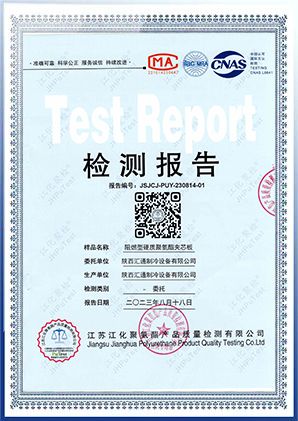
Our certifications cover European CE markers, ISO 9001 quality systems, and national building material safety ratings.
Sustainable building design requires continuing technical innovation. Our development team focuses on three key areas to maintain our position as a leading OEM panel manufacturer:
Phasing out older blowing agents to adopt water-blown and HFO systems, achieving near-zero Ozone Depletion Potential (ODP) and Global Warming Potential (GWP) across all core foams.
Developing embedded sensor pockets in custom panel designs, allowing operators to monitor moisture, air leaks, and temperature variations inside panel walls.
Integrating new magnesium-aluminum-silicon alloys and multi-layer PVDF coatings to handle high-salt environments and aggressive chemical cleanings.
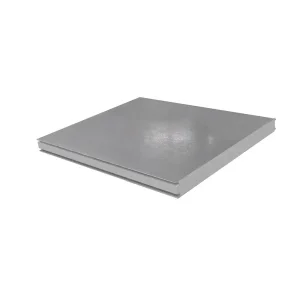
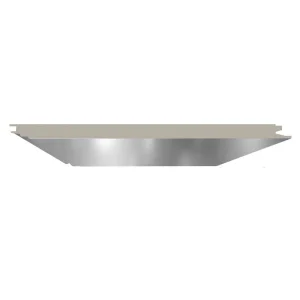
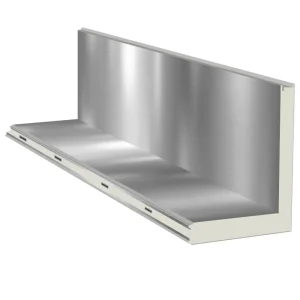
 YuanShengHeTong