In recent years, the demand for innovative building materials has grown significantly. Sandwich panels have emerged as a popular choice due to their excellent insulation properties and durability. These panels consist of two outer layers and an insulating core, making them ideal for various applications, including construction and cold storage.
Selecting the right supplier is crucial for global buyers. China's sandwich panel suppliers offer a diverse range of products and services. Buyers should consider quality, pricing, and shipping options. With numerous suppliers in the market, finding the most reputable ones can be challenging.
It's essential to evaluate suppliers based on experience and track record. Some companies may advertise extensive capabilities but fail to meet expectations. Reflection on past experiences with suppliers can guide buyers towards more reliable choices. Engaging with trusted suppliers can lead to successful projects and long-term partnerships.
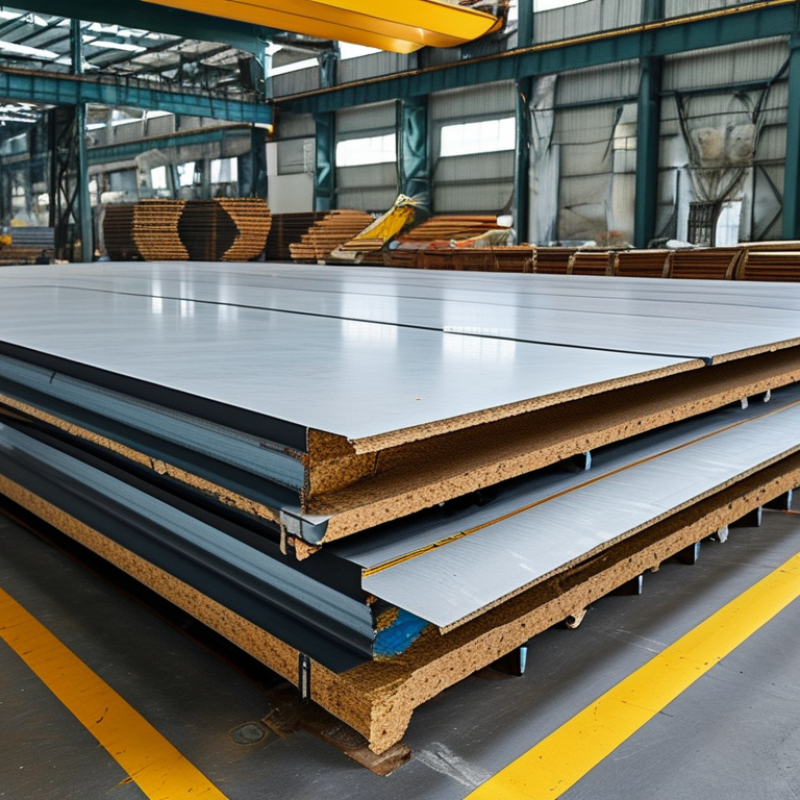
When selecting a sandwich panel supplier in China, several factors play a crucial role. Understanding these elements can significantly impact your project’s success. Assess the supplier's manufacturing capabilities. High-quality production processes often lead to better products. Additionally, investigate their experience in the industry. A seasoned supplier usually has refined techniques and skills.
Quality control measures are essential. Ensure that the supplier follows strict quality standards. Request certifications to validate their practices. This can include ISO certifications or other industry-specific accreditations. Communication is vital as well. Choose a supplier that is responsive and transparent about their processes. This can ease potential misunderstandings during your collaboration.
The sandwich panel industry in China is rapidly evolving. In recent years, the demand for high-performance insulation materials has surged. The global market for sandwich panels is projected to reach approximately USD 60 billion by 2025, with an annual growth rate of around 7.5%. This growth is driven by industries such as construction, transportation, and refrigeration.
China plays a vital role in this market. The country has become one of the largest manufacturers of sandwich panels, offering a variety of materials like EPS, PUR, and mineral wool. Reports indicate that over 50% of the sandwich panels produced in Asia are sourced from China. Despite this, the industry faces challenges, including fluctuating raw material prices and increasing competition from other manufacturing countries.
Quality assurance remains a critical concern. While Chinese manufacturers emphasize cost-effectiveness, some panels lack rigorous testing. This can lead to issues like compromised insulation properties. Buyers should strive to verify the production standards and certifications before making a purchase. Balancing cost and quality is essential for long-term satisfaction in this competitive market.
In recent years, the demand for sandwich panels has surged across various industries. The global market for sandwich panels was valued at approximately $3 billion in 2022 and is projected to grow at a CAGR of about 5% from 2023 to 2030. China plays a pivotal role as a leading supplier, accounting for nearly 35% of global production. The versatility of these panels makes them ideal for construction, cold storage, and insulation applications.
China's top sandwich panel suppliers are recognized for their innovative manufacturing processes and high-quality products. Many companies focus on environmentally friendly materials, contributing to sustainability initiatives. However, challenges remain in ensuring consistent quality across various production batches. Sourcing panels that meet international standards can be a complex task, especially when considering regional regulations.
Some suppliers are investing heavily in R&D. This focus aims to enhance the thermal efficiency of their products. Reports indicate that panels with better insulation properties can reduce energy consumption by up to 20%. This improvement not only benefits buyers but also contributes to broader energy conservation goals. Despite these advancements, ongoing issues such as supply chain disruptions and fluctuating raw material prices require careful consideration by international buyers.
When selecting sandwich panel suppliers in China, it's crucial to consider their product offerings. Many suppliers provide various panels, including insulated, fire-resistant, and soundproof options. These panels often differ in thermal efficiency and weight, which can affect installation costs. Buyers must assess the specific requirements of their projects. Some suppliers excel in durability, while others focus on cost-effectiveness.
Quality assurance is another vital element. Top suppliers conduct rigorous testing on their products. However, not all insist on high standards. This inconsistency can lead to potential issues down the line. It’s essential for buyers to inquire about certifications and quality control processes. Trusting a supplier's commitment to quality can prevent future regrets.
In terms of customization, some suppliers offer tailored solutions, while others adhere to standard designs. This could impact project timelines and expenses. Engaging in thorough discussions with potential suppliers is beneficial. Understanding their capabilities can reveal gaps in service and product offerings. Moreover, referring to customer reviews can help gauge reliability and performance.
The demand for sandwich panels in China is driven by several factors. Emerging industries require modern building materials. As urbanization accelerates, so does the need for efficient construction solutions. According to industry reports, the sandwich panel market in China reached approximately $8 billion in 2022, with a projected growth rate of 5% annually. This growth signifies sustainable demand.
However, challenges exist. Raw material costs have fluctuated significantly in recent years. These costs can affect production and pricing strategies. Many suppliers are investing in research to improve materials and reduce dependency on volatile resources. The focus is on eco-friendly alternatives, which may attract environmentally conscious buyers. Reports indicate that while demand is rising, supply chains face hurdles that might disrupt availability.
Furthermore, technological advancements are reshaping manufacturing processes. Automation plays a critical role in efficiency and quality. Companies are exploring ways to implement smart technologies, increasing competitiveness. Nonetheless, not all manufacturers are equipped to adapt quickly. Observations suggest that companies must balance innovation and cost management to stay relevant.
: The growth is driven by demand in construction, transportation, and refrigeration industries.
China manufactures over 50% of Asia's sandwich panels, making it a key player in the market.
Common materials include EPS, PUR, and mineral wool, each offering different insulation properties.
Fluctuating raw material prices and competition from other manufacturing countries pose significant challenges.
Some panels may lack rigorous testing, leading to poor insulation and other issues.
Buyers should verify production standards and certifications before making a purchase.
It's essential to assess product offerings, quality assurance practices, and customization options.
Different panels vary in thermal efficiency and weight, impacting overall installation costs.
Customer reviews can provide insights into reliability and performance, helping buyers make informed decisions.
Not all suppliers offer customization, which may affect project timelines and expenses.
The article titled "Top 10 Sandwich Panel Suppliers in China for Global Buyers" provides an insightful exploration of the sandwich panel industry in China. It highlights key factors that buyers should consider when selecting suppliers, such as product quality, pricing, and delivery capabilities. The overview emphasizes the growing demand for sandwich panels due to their applications in various construction and insulation projects.
Additionally, the article profiles several leading suppliers, offering a comparative analysis of their products to help global buyers make informed decisions. With the sandwich panel market evolving, it also discusses future trends in supply and demand, indicating a shift towards more innovative and sustainable solutions in the industry. This comprehensive overview serves as a valuable resource for international buyers looking to navigate the competitive landscape of sandwich panel suppliers in China.

YuanShengHeTong