In the modern construction industry, efficiency and sustainability are paramount. The Pu Sandwich Panel has emerged as a popular choice among global buyers seeking advanced building solutions. This innovative material consists of a rigid polyurethane core sandwiched between two facings, which can be made from metal, fiber cement, or other materials. The design minimizes thermal conductivity, making it highly energy-efficient.
Global buyers appreciate the strength and durability of Pu Sandwich Panels. They provide excellent insulation, which leads to lower energy costs over time. However, buyers should also consider factors like fire resistance and moisture control. While these panels are generally reliable, improper installation can lead to issues. It's crucial for buyers to partner with knowledgeable suppliers to avoid potential pitfalls.
Moreover, the panels are lightweight yet robust, facilitating easier transportation and faster assembly on-site. The growing demand for sustainable building materials underlines the importance of exploring innovations like the Pu Sandwich Panel. Still, some users have reported challenges with customizing designs for specific projects. It's essential to weigh these benefits against potential drawbacks in any purchasing decision.
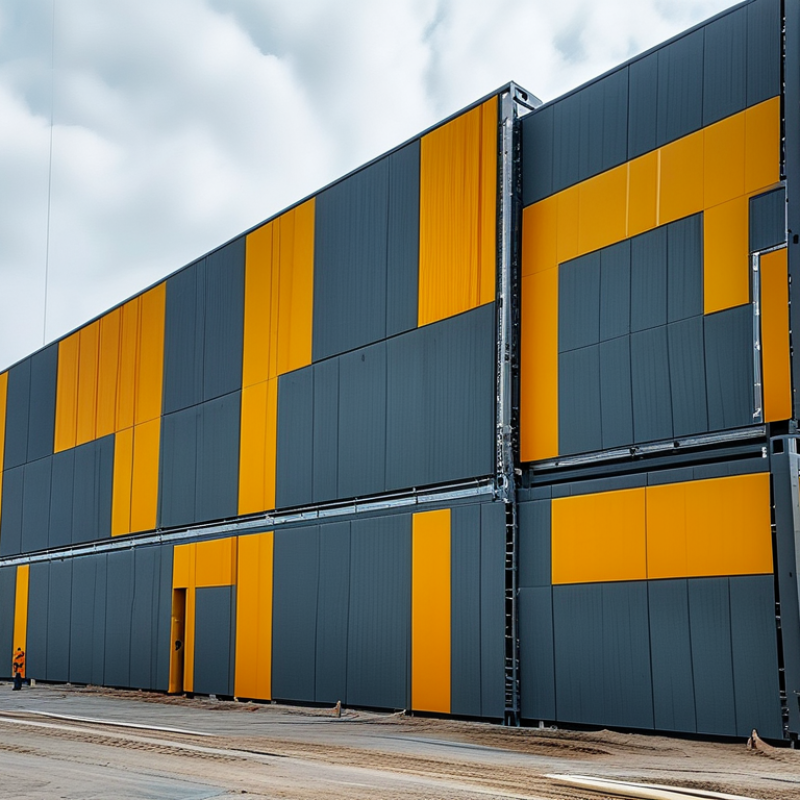
PU sandwich panels have gained significant traction in the construction and insulation sectors due to their unique advantages. One key benefit is their exceptional insulation properties. According to industry reports, PU panels can provide thermal insulation values up to R-7 per inch. This means substantial energy savings for heating and cooling in buildings. Additionally, these panels lessen energy consumption, with studies showing potential cuts in energy use by 30% in some commercial buildings.
Another notable advantage is their lightweight nature. A standard PU sandwich panel weighs significantly less than traditional building materials. This characteristic streamlines transportation and installation processes, leading to reduced labor costs. However, while the lightweight aspect seems beneficial, it may raise concerns about durability under extreme weather conditions.
Furthermore, PU sandwich panels boast remarkable fire resistance. Test results show that properly manufactured panels can meet strict fire safety standards. However, discrepancies in manufacturing quality can lead to varied performance. It’s crucial for buyers to vet suppliers rigorously. As the demand for sustainable materials grows, the properties of PU sandwich panels position them as a favorable choice for eco-conscious builders. The combination of insulation efficiency and construction practicality makes them appeal to a global market.
PU sandwich panels are gaining traction among global buyers, primarily due to their cost-effectiveness. According to recent industry reports, these panels can save up to 30% in energy costs, significantly lowering overall operating expenses. Their unique composite structure provides excellent insulation, which can lead to reduced heating and cooling requirements. This is crucial for buyers looking to enhance energy efficiency in their projects.
In addition, the installation of PU sandwich panels can also contribute to reduced labor costs. With quicker assembly times compared to traditional building materials, buyers can shorten project timelines. A study highlighted that using PU panels can speed up construction by up to 50%. This efficiency translates to not only lower labor costs but also faster returns on investment.
Tip: When considering PU sandwich panels, assess the long-term savings on energy and labor. Evaluate the initial investment versus potential savings. Ensure you consult with industry professionals to gauge the right decisions for your specific needs. Balancing cost with performance is essential for successful implementation.
PU sandwich panels are gaining popularity due to their impressive durability and strength. According to the *Global Insulation Market Report*, these panels offer insulation values reaching R-Value 6.0 per inch. This makes them ideal for various construction applications, from cold storage to commercial buildings.
Strength is another essential property of PU sandwich panels. Testing has shown that these panels can withstand severe weather conditions, often supporting loads of 30-50 pounds per square foot. This strength is crucial in regions prone to heavy snowfall or strong winds. However, it’s important to note that improper installation can compromise their performance.
The longevity of PU sandwich panels adds to their appeal. With a life expectancy exceeding 40 years under proper conditions, these panels remain cost-effective over time. However, environmental factors like moisture and sunlight exposure can degrade some panels prematurely. Buyers should consider these aspects when selecting materials for their projects.
| Property | Value | Benefit |
|---|---|---|
| Thermal Insulation | R-Value: 5.0 | Reduces energy consumption |
| Fire Resistance | Class B1 | Enhances safety in buildings |
| Water Resistance | Low absorption | Prevents structural damage |
| Weight | Lightweight (approximately 10 kg/m²) | Easier and cheaper to transport and install |
| Compressive Strength | ≥ 150 kPa | Strong structural performance |
PU sandwich panels are increasingly recognized for their environmental benefits. These panels offer superior insulation properties, significantly reducing energy consumption in buildings. By lowering heating and cooling demands, they contribute to a smaller carbon footprint. The materials used in PU panels are often recyclable, promoting sustainability in construction.
Moreover, the production process of PU sandwich panels generates lower emissions compared to traditional materials. This aspect is crucial for minimizing environmental impact. It raises questions about the long-term sustainability of manufacturing methods in the industry. Ensuring that these production processes continually improve is essential for meeting global environmental goals.
While PU sandwich panels offer numerous advantages, it’s vital to remain aware of the production waste. Stakeholders must be proactive in finding solutions to this issue. Continuous innovation is necessary to enhance the performance and efficiency of these materials. Investors and builders should consider these factors when selecting building materials for eco-friendly projects.
PU sandwich panels play a vital role in various industries due to their lightweight and energy-efficient properties. These panels are commonly used in construction, refrigeration, and transportation. In the construction sector, PU panels are favored for their insulation capabilities and structural integrity. They offer excellent thermal performance, helping to reduce energy costs in buildings.
In refrigeration, PU sandwich panels are essential for cold storage facilities. Their insulation properties ensure consistent temperatures, protecting perishable goods. The panels are also lightweight and easy to install, which speeds up the building process. In addition, their durability makes them suitable for harsh environments.
Tips: When choosing PU sandwich panels, consider the specific needs of your project. Pay attention to insulation values to ensure energy efficiency. Evaluate the panel thickness based on the intended application.
Many industries utilize these panels, but they are not without challenges. Some manufacturers may offer subpar products that do not meet required standards. Conduct thorough research before purchasing to avoid potential issues. Keep in mind that proper installation is crucial for maximizing the benefits of PU sandwich panels. Regular maintenance can extend their lifespan and performance.
: PU sandwich panels are known for their durability and impressive insulation properties. They provide strong support in various applications.
These panels can support loads of 30-50 pounds per square foot. This strength is vital in harsh weather conditions.
The expected life of PU sandwich panels exceeds 40 years. However, environmental factors can lead to premature degradation.
They significantly reduce energy consumption and lower carbon footprints. The materials are often recyclable, promoting sustainability.
PU sandwich panels are commonly used in construction, refrigeration, and transportation. They fit various needs due to their lightweight nature.
Evaluate insulation values and panel thickness for your project needs. Proper installation is crucial for performance and longevity.
Some manufacturers may sell inferior panels. Conduct research to ensure quality and avoid potential issues.
Regular maintenance is essential. Proper installation and care can help maximize their performance and durability.
Pu Sandwich Panels offer a range of advantages that make them highly appealing to global buyers in the construction industry. Their excellent insulation properties contribute to energy efficiency, reducing overall energy costs while providing a comfortable environment. Additionally, the cost-effectiveness of PU Sandwich Panels ensures that they are a budget-friendly choice without compromising on quality.
Moreover, these panels are known for their impressive durability and strength, making them suitable for various applications across different industries, from warehouses to cold storage facilities. The environmental benefits of PU Sandwich Panels further enhance their attractiveness, as they support sustainable building practices. Overall, PU Sandwich Panels represent a smart investment for buyers looking to optimize performance and efficiency in their construction projects.

YuanShengHeTong